




Expect great things from our new shepherd

Story in Spanish below – La historia en español aparece a continuación

Bob Reddy, Florida Catholic

The road that has led Bishop Emilio Biosca Agüero, O.F.M. Cap., to the Diocese of Venice in Florida as its third shepherd has had many varied and interesting turns.
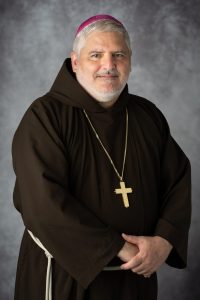
Bishop Emilio comes to the diocese with strong family values, instilled in him in during his childhood and influenced through family ties in Cuba; the formation into a man of God as part of the Capuchin Franciscan religious order; the rewarding and enlightening missionary work in the jungles of Papua New Guinea and then communist Cuba; and leading a diverse and thriving Shrine of the Sacred Heart parish in the nation’s capital.

What is known is that great things are expected as Bishop Emilio takes the reigns of the Diocese of Venice.

“I come to this role as the bishop of Venice to proclaim the Gospel in a way that is joyful, positive and well instructed,” Bishop Emilio said. “I approach this new ministry, trusting in God. I am seeing there is a need for evangelization so the Gospel can take root.”

The bishop said he wants to encourage all to carve out time for silence and prayer in their life, “so that we can hear something that is different from our own voice. That is creating some kind of time of silence, of prayer, of actually having the ability to pick up the bible at any time and read it. Pray the rosary. Go to mass. We have to organize our life in a way that God can speak to us, so we are able to listen, instead of having everything (devices, television, etc.) on all the time.”
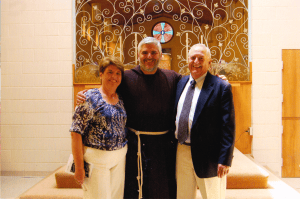
Bishop Emilio was born December 15, 1964, in Colorado Springs, Colorado, to Emilio Rodolfo Biosca and Maria del Carmen Agüero who were recent immigrants from Cuba. The third of seven children, his two older sisters were born in Cuba. He was baptized on Dec. 25, at St. Patrick’s Catholic Church in Pueblo, Colorado.

The family first resided in Pueblo, Colorado, then Kansas City, Missouri, where his father, already a practicing dentist in Cuba, worked and studied, graduating from the University of Missouri-Kansas City (UMKC) School of Dentistry. The family relocated near relatives in Virginia, where his father opened a practice. Bishop Emilio attended St. Anthony and St. Leo Catholic schools, and then Bishop O’Connell High School in northern Virginia.
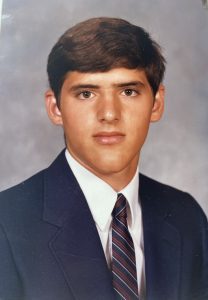
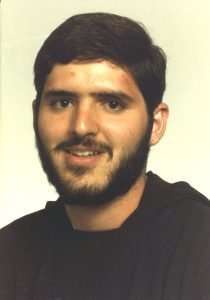
Bishop Emilio briefly studied at George Mason University then entered the Capuchin Franciscans in 1984 transferring to Borromeo College of Ohio in Wickliffe and earning a B.A. in philosophy in 1987. He made first profession of vows in Pittsburgh, Pennsylvania, on July 16, 1988. He continued Capuchin Formation and theological studies at Oblate College in Washington D.C., making solemn vows on August 17, 1991, and earning an M.A. and M.Div. in theology. He was ordained to the diaconate on May 1, 1993, and served at St. John the Evangelist in Center City Philadelphia.

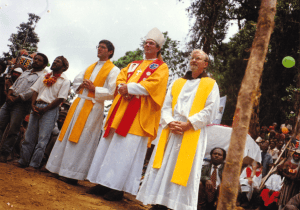
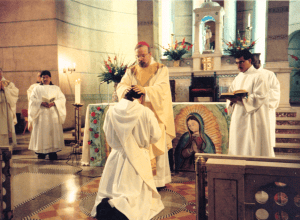
On May 21, 1994, at the Shrine of the Sacred Heart in Washington, he was ordained to the priesthood by then-Bishop Seán O’Malley, O.F.M. Cap., volunteered and was sent to serve in the Capuchin mission in Papua New Guinea.
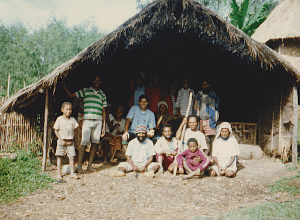
From 1994 to 2004 he served predominantly the Kewa and Wiri speaking peoples in the Kagua, Ialibu and Pangia areas of the Southern Highlands and became fluent in Melanesian Tok Pisin. During this period, he worked closely with lay leaders and catechists. From 2002-2004 he served as the Director of Novices for the Capuchin Novitiate in Pangia.

In preparation for the mission in Cuba, Bishop Emilio returned to the United States in 2005 and studied at the Pontifical John Paul II Institute for Studies on Marriage and the Family at Catholic University in Washington, earning his STL degree (Licentiate in Sacred Theology), Magna Cum Laude.

In 2007, Bishop Emilio entered Cuba and served there for 12 years. He spent his first year in Havana, then three years as Pastor of La Pastora Parish in Santa Clara, and the last eight years on the eastern side of the country in the Diocese of Bayamo-Manzanillo, where he was Pastor of La Purisima Concepcion de Manzanillo.
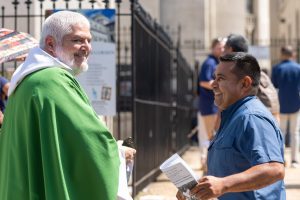
Bishop Emilio was appointed Pastor of the Shrine of the Sacred Heart in Washington, D.C. on March 1, 2019. Sacred Heart has 5,000 families and is culturally diverse, offering the Holy Sacrifice of the Mass in five languages each weekend (English, Spanish, Haitian Creole, Vietnamese, and Portuguese).

On May 13, 2026, it was publicly announced that he was appointed the third bishop of the Diocese of Venice in Florida by Pope Leo XIV. His ordination and installation are on July 11, 2026.

Getting the call

Formally introduced by Bishop Emeritus Frank J. Dewane during a May 13 press conference in Venice, Bishop Emilio said he “accepted the appointment with trust in the Divine Providence of God.” He also expressed his heartfelt gratitude to the Holy Father, Pope Leo, for “his prayerful support and for the confidence he has placed in me through this appointment. Mindful of the weight of this responsibility, I entrust myself to Our Lady of Mercy and to St. Mark, co-patrons of this youthful and thriving Diocese of Venice.”
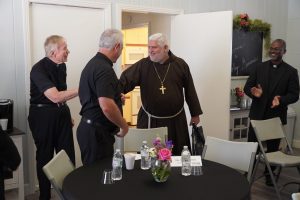
The call he received from Apostolic Nuncio Cardinal Christophe Pierre was a “big surprise. The nuncio called and I was in confessions before the evening Mass on Saturday. I saw the nunciature had called, which wasn’t totally unexpected as some priests from Cuba were coming to visit. I figured that was the call.”

Of course, that was not why he received the call, it was about the appointment by the Holy Father to lead a 10-county diocese in Southwest Florida.

“On a personal level, I am amazed at the way Divine Providence has worked throughout my life,” Bishop Emilio said.  “Sometimes we experience moments of tremendous sadness and sorrow that catch us by surprise and sometimes moments of great wonder.  Ten to twelve years ago, at a Capuchin Provincial Chapter, two elderly Capuchins who had served in Papua New Guinea, told me, “One day you are going to be a Bishop, and then you will need a lot of prayers.” This was just a conversation between us. But when it happened, I remembered, and now I am in the part of needing many prayers.”

Preparing to lead the diocese

Since the announcement of his appointment was made, Bishop Emilio has been pulled in many directions. He worked diligently to ensure the transition to a new pastor at Sacred Heart in Washington went smoothly, while at the same time tried to gain information about the Diocese of Venice.
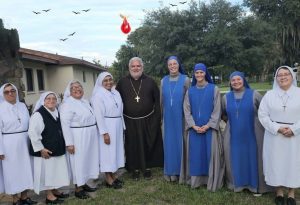
Relying on prayer, he first received the names of all priests, religious and Diocesan staff so he could pray for them. In addition to meeting in the Catholic Center in Venice with Bishop Dewane and other key personnel, Bishop Emilio set up a series of regional Deanery meetings with priests, women religious, and deacons for the week of June 15-19. These meetings served the purpose of meeting as many priests, religious and deacons, receiving feedback from them and sharing his own story.

“I really enjoyed it,” Bishop Emilio said. “I think this set up nicely another pastoral another piece that will come after the ordination.”

That piece includes meeting the Catholic Center staff and gradually making key appointments, such as vicar general, vicar for priest, vicar for religious, director of religious education and more.

Bishop Emilio also plans to spend his first months making initial visits to all 61 parishes, The visits to the 15 Catholic schools in the diocese will come in October and November.
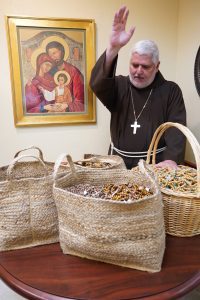
With a sense of responsibility and some urgency, Bishop Emilio said he wants to meet the pastors, priests, deacons, religious and lay leaders at their parishes. Later, before the end of the first year, he hopes to make more formal, official visitations, at each parish.

Prior to his ordination and installation, Bishop Emilio took some time wrapping up the transition at his former parish, visiting family, and preparing to go on retreat at the Capuchin Hermitage near Salisbury, Pennsylvania, not far from Cumberland, Maryland.

“It was a difficult time turning over the beautiful parish of the Shrine of the Sacred Heart while also learning about the diocese,” Bishop Emilio said. “Now going to our Capuchin Hermitage will allow time for prayer, silence and concentration on Venice.”

Bishop Emilio asks that all pray for him as he is ordained as a bishop and installed as the third shepherd of the Diocese of Venice in Florida.

Welcome to Florida, Bishop Emilio!


Esperen grandes cosas de nuestro nuevo pastor

Diócesis de Venice inicia nueva etapa de camino pastoral

El camino que ha llevado al Obispo Emilio Biosca Agüero, O.F.M. Cap., a la Diócesis de Venice en Florida como su tercer pastor ha tenido muchos giros variados e interesantes.

Obispo Emilio —como prefiere que le llamen— llega a la diócesis con sólidos valores familiares, inculcados durante su infancia e influenciados por sus lazos familiares en Cuba; la formación como hombre de Dios dentro de la Orden de los Franciscanos Capuchinos; la gratificante e iluminadora labor misionera en las selvas de Papúa Nueva Guinea y luego en la Cuba comunista; y el liderazgo de la diversa y floreciente parroquia del Santuario del Sagrado Corazón en la capital del país.
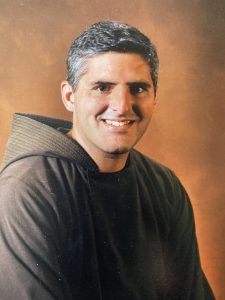
Lo que está claro es que se anticipan grandes frutos con Obispo Emilio al frente de la Diócesis de Venice.

“Asumo este rol como obispo de Venice para proclamar el Evangelio de una manera gozosa, positiva y bien instruida”, expresó Obispo Emilio. “Me acerco a este nuevo ministerio confiando en Dios. Hay una necesidad de evangelización para que el Evangelio pueda echar raíces”.

El obispo dijo que desea animar a todos a reservar tiempo para el silencio y la oración en su vida, “para que podamos escuchar algo que sea diferente de nuestra propia voz. Eso implica crear un tiempo de silencio, de oración, de tener en realidad la capacidad de tomar la Biblia en cualquier momento y leerla. Rezar el rosario. Ir a misa. Tenemos que organizar nuestra vida de manera que Dios pueda hablarnos, para que podamos escuchar, en lugar de tener todo (dispositivos, televisión, y demás) encendido todo el tiempo”.

Obispo Emilio nació el 15 de diciembre de 1964 en Colorado Springs, Colorado, hijo de Emilio Rodolfo Biosca y María del Carmen Agüero, quienes eran inmigrantes recientes de Cuba. Fue el tercero de siete hijos; sus dos hermanas mayores nacieron en Cuba. Fue bautizado el 25 de diciembre en la iglesia católica St. Patrick, en Pueblo, Colorado.
La familia residió primero en Pueblo, Colorado, y luego en Kansas City, Missouri, donde su padre, quien era dentista en Cuba, trabajó, estudió y se graduó de la Facultad de Odontología de la Universidad de Missouri-Kansas City. Luego se mudaron cerca de familiares en Virginia, donde su padre abrió un consultorio. Obispo Emilio asistió a las escuelas católicas St. Anthony y St. Leo, y luego a la escuela secundaria Bishop O’Connell en el norte de Virginia.

Obispo Emilio estudió brevemente en la Universidad George Mason y luego ingresó a los franciscanos capuchinos en 1984, transfiriéndose a Borromeo College of Ohio, en Wickliffe, donde obtuvo una licenciatura en Filosofía en 1987. Emitió su primera profesión de votos en Pittsburgh, Pennsylvania, el 16 de julio de 1988. Continuó su formación capuchina y estudios teológicos en Oblate College, en Washington D.C., y profesó votos solemnes el 17 de agosto de 1991, obtuvo una maestría en Teología y, posteriormente, una maestría en Divinidad (M. Div.). Fue ordenado diácono el 1 de mayo de 1993, y sirvió en la parroquia St. John the Evangelist en Center City, Philadelphia.

El 21 de mayo de 1994, en el Santuario del Sagrado Corazón, en Washington, fue ordenado sacerdote por el entonces Obispo Seán O’Malley, O.F.M. Cap., y se ofreció como voluntario para servir en la misión capuchina en Papúa Nueva Guinea, donde fue enviado.

De 1994 a 2004 sirvió principalmente a los pueblos de habla kewa y wiri en las zonas de Kagua, Ialibu y Pangia en las Tierras Altas del Sur, y dominó con fluidez el tok pisin melanesio. Durante este período trabajó estrechamente con líderes laicos y catequistas. De 2002 a 2004 sirvió como director de novicios en el noviciado capuchino en Pangia.

En preparación para la misión en Cuba, Obispo Emilio regresó a los Estados Unidos en 2005 y estudió en el Pontificio Instituto Juan Pablo II para Estudios sobre el Matrimonio y la Familia, de la Universidad Católica de Washington, donde obtuvo su Licenciatura en Sagrada Teología (STL), con la distinción magna cum laude.
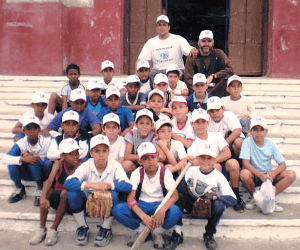
En 2007, Obispo Emilio llegó a Cuba, donde sirvió durante 12 años. Pasó su primer año en La Habana, luego tres años como párroco de La Pastora en Santa Clara, y los últimos ocho años en la región oriental del país, en la Diócesis de Bayamo-Manzanillo, donde fue párroco de La Purísima Concepción de Manzanillo.

Obispo Emilio fue nombrado párroco del Santuario del Sagrado Corazón en Washington, D.C., el 1 de marzo de 2019. El Santuario cuenta con 5,000 familias y es una comunidad culturalmente diversa que cada fin de semana celebra el santo sacrificio de la misa en cinco idiomas: inglés, español, criollo haitiano, vietnamita y portugués.

El 13 de mayo de 2026 se anunció públicamente que había sido nombrado tercer obispo de la Diócesis de Venice en Florida por el Papa Leo XIV. Será ordenado e instalado el 11 de julio de 2026.

El momento de la llamada

Presentado formalmente por el Obispo Emérito Frank J. Dewane durante una conferencia de prensa el 13 de mayo en Venice, Obispo Emilio dijo que “aceptó el nombramiento con confianza en la Divina Providencia de Dios”. También expresó su sincera gratitud al Santo Padre, el Papa León, por “su apoyo en oración y por la confianza que ha depositado en mí a través de este nombramiento. Consciente del peso de esta responsabilidad, me encomiendo a Nuestra Señora de la Misericordia y a San Marcos, copatronos de esta diócesis joven y floreciente”.

La llamada que recibió del Nuncio Apostólico, el Cardenal Christophe Pierre, “fue una gran sorpresa. El nuncio llamó y yo estaba en confesiones antes de la misa vespertina del sábado. Vi que la nunciatura había llamado, lo cual no era totalmente inesperado porque algunos sacerdotes de Cuba vendrían de visita. Pensé que esa era la llamada”.

Por supuesto, no era por eso: se trataba del nombramiento por el Santo Padre para dirigir una diócesis de 10 condados en el suroeste de Florida.

“A nivel personal, me asombra la manera en que la Divina Providencia ha obrado a lo largo de mi vida”, dijo Obispo Emilio. “A veces experimentamos momentos de profunda tristeza y dolor que nos sorprenden, y a veces momentos de gran asombro. Hace diez o doce años, en un capítulo provincial capuchino, dos capuchinos ancianos que habían servido en Papúa Nueva Guinea me dijeron: ‘Un día serás obispo, y entonces necesitarás muchas oraciones’. Eso fue solo una conversación entre nosotros. Pero cuando sucedió, lo recordé, y ahora estoy en la etapa en la que necesito muchas oraciones”.

Preparándose para dirigir la diócesis

Desde que se anunció su nombramiento, Obispo Emilio ha sido solicitado desde múltiples frentes. Trabajó diligentemente para asegurar una transición fluida hacia un nuevo párroco en el Santuario del Sagrado Corazón en Washington, al mismo tiempo que intentaba obtener información sobre la Diócesis de Venice.

Confiando en la oración, primero recibió los nombres de todos los sacerdotes, religiosas, religiosos y personal diocesano para poder orar por ellos. Además de reunirse en el Centro Católico en Venice con el Obispo Dewane y otros miembros clave, Obispo Emilio organizó una serie de reuniones regionales de decanato con sacerdotes, religiosas, religiosos y diáconos durante la semana del 15 al 19 de junio. Estas reuniones sirvieron para conocer a tantos de ellos como fuera posible, recibir sus comentarios y compartir su propia historia.
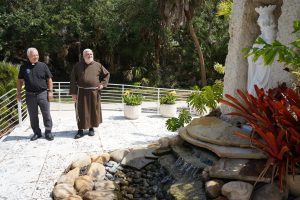
“Realmente lo disfruté”, manifestó Obispo Emilio. “Pienso que se establecieron buenas bases para la próxima labor pastoral que vendrá después de la ordenación”.

Dicha labor incluye reuniones con el personal del Centro Católico e ir haciendo nombramientos clave, como vicario general, vicario para sacerdotes, vicario para religiosos, director de educación religiosa, y más.

Obispo Emilio también piensa dedicar sus primeros meses a realizar visitas iniciales a las 61 parroquias. Las visitas a las 15 escuelas católicas de la diócesis se realizarán en octubre y noviembre.

Con un sentido de responsabilidad y cierta urgencia, Obispo Emilio informó que desea conocer a los párrocos, sacerdotes, diáconos, religiosas, religiosos y líderes laicos en sus parroquias. Más adelante, antes de que termine el primer año, espera realizar visitas más formales y oficiales a cada una.

Antes de su ordenación e instalación, Obispo Emilio dedicó tiempo a concluir la transición en su antigua parroquia, visitar a su familia y prepararse para un retiro en la ermita capuchina cerca de Salisbury, Pennsylvania, no lejos de Cumberland, Maryland.

“Entregar la hermosa parroquia del Santuario del Sagrado Corazón al mismo tiempo que aprendía sobre la diócesis fue un tiempo difícil”, compartió Obispo Emilio. “Por eso, ir a nuestra ermita capuchina me dará oportunidad para la oración, el silencio y concentrarme en Venice”.

Obispo Emilio pide que todos oren por él mientras es ordenado obispo e instalado como el tercer pastor de la Diócesis de Venice en Florida.

¡Bienvenido a Florida, Obispo Emilio!
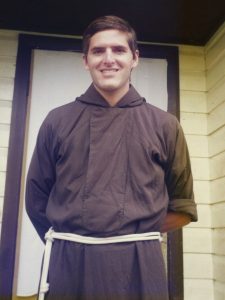
 

A call to be a missionary

Story in Spanish below – La historia en español aparece a continuación.

Bob Reddy – Florida Catholic

At a young age Bishop Emilio Biosca Agüero, O.F.M. Cap., knew he wanted to be a priest, but he was not sure about how or where.

As his interest in becoming a priest and joining a religious order grew, Bishop Emilio became fascinated with working in the missions but knew that as part of a religious order one never knew what assignments might happen. However, that was ok, because he took a vow of obedience, he said to himself. and the greatest contribution he could make to the mission of the church would be prayerful fidelity to God. Offering oneself to God completely would be more valuable than any apostolic contribution.

When Bishop Emilio entered the Capuchin Franciscans and made his first profession of vows of, poverty, chastity and obedience in Pittsburgh July 16, 1988, he did not know what God’s plans for him were.

Later, while studying theology in Washington D.C. in the late 1980’s, Bishop Eduardo Boza-Masvidal, who had been deported from Cuba in 1961, would visit for the yearly celebration and procession of Our Lady of Charity in September.

“Speaking privately with this great Bishop nurtured my spiritual life and the hope of one day serving in Cuba,” Bishop Emilio said. “During those years, I had also developed a friendship with Fr. Miguel Angel Loredo, OFM, who resided in Manhattan. He had been imprisoned for 10 years in Cuba and now dedicated his time to serve as an ordinary Franciscan priest. He also wrote poetry, painted and occasionally offer his testimony of the prison conditions in Cuba before the United Nations Human Rights Office in Geneva.”

Bishop Emilio admitted that he earnestly wanted to be sent to the missions, and was always interested in serving in Cuba, where there was a great need, and few priests. He expected he might serve in the United States for some time to gain necessary experience before even being considered for the missions.

Papua New Guinea

“I was willing to go to West Virigina, Virginia, Maryland or go anywhere, but around the time of my ordination there were several missionaries returning from Papua New Guinea for various reasons and I was asked if I was interested in going. I said, ‘Sure!’”

The assignment was a surprise to his family, so much so that his sister, Beatrice, moved her wedding forward by two months so her brother could officiate the ceremony.

Papua New Guinea is located north of Australia, about 9,000 miles from Washington, far from everything Bishop Emilio has ever known. The Capuchins took over the missionary work there in the early 1950s.

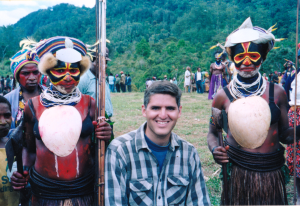
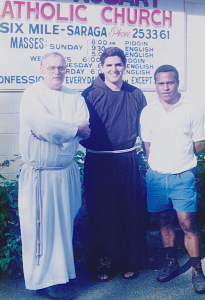
He studied and researched the region and trusting in Divine Providence and went with only one bag. “I thought, ‘Let me go to this place and only think and worry about this place, the church, and the people there, without carrying many things from the outside.’” He was assigned to the Capuchin mission in the Southern Highlands of Papua New Guinea, in what he, and the locals, called the bush, and what most people would consider to be the deep and rugged jungle.

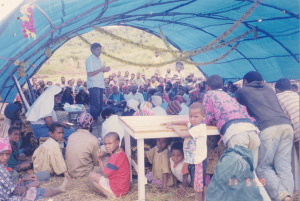
The mission is considered one of first contact, interacting with isolated indigenous people who have had no little or no dealings with the outside world. From 1994 to 2004 he served predominantly the Kewa and Wiri speaking peoples in the Kagua, Ialibu and Pangia areas of the Southern Highlands and became fluent in Melanesian Tok Pisin. During this period, he worked closely with lay leaders and catechists. From 2002-2004 he served as the Director of Novices for the Capuchin Novitiate in Pangia.

“Working in a first contact – first evangelization mission, the church was very dynamic. It was full of life. It was fantastic,” Bishop Emilio said. “As a first assignment, it was very formative … to be present with the people was extremely important and also learning and depending on the lay leaders who knew the manner in which the church had been implanted and had grown. I learned a great deal from my Capuchin brother missionaries and from the religious women who had been ministering in the Highlands for many years. They loved and respected the people.” He said that it would be difficult to exaggerate the manner in which the Capuchin brothers in Papua New Guinea formed him as a person, as a missionary and as a Capuchin.

Bishop Emilio took to missionary work easily, even learning to make fire with grass and bamboo. “For me it was not too difficult or sacrificial. at all. I enjoyed receiving drinking water from streams and bathing in the rivers. I’ve always liked the outdoors. It was really like a long camping trip.”

He would spend a week or two in the bush, moving from place to place with another Capuchin brother or with lay leaders, while learning the language and customs of the people. “As a young priest, it was a tremendous chance to go to a foreign country to serve. It was good, because it stretched me spiritually in so many ways and I learned so much.”

Working closely with the lay people, all of whom had been converted to Catholicism, was essential in gradually learning how a polygamous and tribal society is transformed into a Christian community that works to establish personal and exclusive marriages for life.

“We had to be able to walk with the people, to listen to what they were doing, to accompany them… The missionary impulse came naturally from the Holy Spirit, through prayer and reflection, but also listening a lot to the people and observing how God worked in their lives. What a tremendous privilege to live there and work there. That mission really formed me as a Capuchin.”

Besides the formation that Capuchins have before taking vows, they are called to a regular life of prayer, to live in fraternity and to form a mission and apostolate together, as a way of evangelizing.

Bishop Emilio had the opportunity to return to Papua New Guinea for two weeks in 2024, for a Capuchin Assembly of the brothers. In what he described as a fantastic experience, he was able to visit some of the people with whom he had worked. “I was surprised, because after 20 years I could speak Pidgin in about one day.”

Cuba

While the idea of being a missionary in Cuba was always in the back of his mind, Bishop Emilio explained his interest was rekindled by a visit to Papua New Guinea by member of the General Council of the Capuchins from Rome who said there was a need for missionaries in Cuba. Upon his 2005 return to the U.S., he sought advice from Bishop Agustín Román of Miami and then rector of the seminary and later Bishop Felipe Estevez of Miami about the process of entering to serve in Cuba.
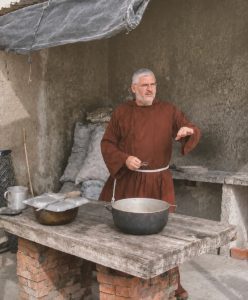
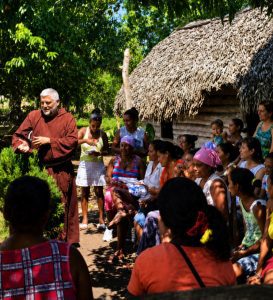
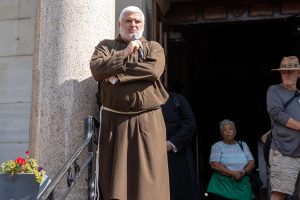
Bishop Emilio’s first brief visit to Cuba had been in 2000. He was met by family and stayed with different relatives in Havana, Camaguey (where his parents were from), Santa Clara, Cienfuegos and Trinidad. He returned in the summer of 2005 and made connections with the church there, including fellow Capuchins.

“This was very beneficial,” Bishop Emilio said. “A natural way to learn, visiting family and learning how they lived their daily lives. It helped lay the groundwork for my return.”

In preparation for the upcoming mission work in Cuba, Bishop Emilio studied at the Pontifical John Paul II Institute for Studies on Marriage and the Family at Catholic University in Washington, earning his STL degree (Licentiate in Sacred Theology), Magna Cum Laude.

In 2007, Bishop Emilio entered Cuba, in collaboration with the Capuchin Spanish delegation of Madrid. He served in Cuba for 12 years. He spent his first year in Havana, then three years as Pastor of La Pastora Parish in Santa Clara, and the last eight years on the eastern side of the country in the Diocese of Bayamo-Manzanillo, where he was Pastor of La Purisima Concepcion de Manzanillo. He was also elected as Vicar for Religious in the Cuban Diocese of Bayamo.

Cuba is a totalitarian communist state. Along with only Albania, Cuba had declared itself officially an atheist state. “There are many paradoxes in Cuba. The church had been systematically eliminated from civil life, but some churches were permitted to exist, and the doors were sometimes permitted to be opened. For many years, anyone who entered and participated in the life of the church was perceived as an anti-social, anti-revolutionary person and ostracized,” Bishop Emilio explained. The 1998 visit by St. Pope John Paul II was perceived to have alleviated some restrictions.

Even with more openness, there are very few priests in the country and less than one percent of the population is actually practicing the faith regularly. The damage of more than 60 years of communism has been felt in every aspect of the culture and the society. To this day, restrictions are severe.

“Since religion is natural to every person human, everyone in Cuba is naturally religious,” Bishop Emilio said. “Religion was vague for many but has formed a part of the Cuban culture and history for centuries.”

His missionary work focused on evangelization through presence and service. For example, the religious education programs had to be adapted due to severe limitations on every kind of catechetical and teaching material, the lack of formed and available catechists and limitations regarding free time and the availability of the people.

Similar to his mission work in Papua New Guinea, he saw a great need for evangelization through creative OCIA (Order of Christian Initiation for Adults) programs, something he has carried with him to each posting.

To accomplish this, Bishop Emilio said the first step was keeping the church doors open and being available or having an educated lay member of the community available to serve as “porter,” at the church doors, “so people that if someone might cross the street and wander into the church we could be prepared.  Many people did come. They came looking for peace and a place to pray, because inside in the deepest part of their souls, there was a spiritual life that had been formally denied in society for many years, but it still existed within them. The people were yearning and looking to the church because they were seeking God.”

In 2017, four of Bishop Emilio’s sisters were able to visit him in Cuba and they saw first-hand how served the people by organizing Chapels throughout the region so that he and the Capuchin brothers could bring the Mass, catechetical instruction and service by founding “comedores,” or community kitchens that could provide meals to the poorest and also serve as a place to gather the community for special events and celebrations.

Beatrice Pennefather, one of Bishop Emilio’s sisters, said “there was no mission community of the church that he did not treat as if it was the only one.”

“It was an amazing trip,” said Elena Doyle, another of Bishop Emilio’s sisters. “He would rise early in the morning spend each day with the people. He built up a tremendous relationship with them. His energy and passion for serving the people was incredible. We couldn’t keep up.”

Patricia Albisu, the youngest sister, said the trip included visiting where their parents and grandparents grew up and seeing the dental office their father worked decades before. They even connected with some family there.

The sisters also saw how Bishop Emilio was beloved by the people, “because people naturally gravitated toward him. He did wonderful things for the people.”

Patricia was also fascinated when visiting one location and people were praying the rosary but in a different way, reciting the Hail Mary and the Our Father and adding more prayers at the end. “Beautiful!”

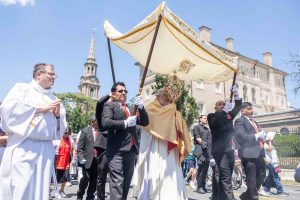
One way to raise the importance of the church in the community was by organizing public processions. These would go through a lengthy process to get permission, so when they did happen, Bishop Emilio said every effort was made to make them memorable.

“They were very well done, because we would take the time to decorate and prepare, adding a beautiful choir and scripture readings to allow for a more spiritual participation,” Bishop Emilio said. “It was a way in which the church could go out and show the faith in a very public way. Many people would come out to see what was happening.”

Another boost for the church in Cuba was through Catholic Charities, which provided material aid through the church communities to all, whether Catholic or not. “It would help the neediest and that made a big impact.” This would also help the small Catholic communities evaluate a situation and try to form a response, even if severely limited.

Washington

By 2019, Bishop Emilio has served in international missions for most his life as a Capuchin and admits he would have been happy to stay overseas for the rest of his life if that was where God needed him.

That was not meant to be, as he was appointed as pastor of the Shrine of the Sacred Heart in Washington on March 1, 2019. The Shrine of the Sacred Heart has 5,000 families and is culturally diverse, offering the Holy Sacrifice of the Mass in five languages each weekend (English, Spanish, Haitian Creole, Vietnamese, and Portuguese).

The vibrant parish is comprised of 95 percent immigrants. “The people there really love their church and their parish. During the pandemic, people would come in and wipe down the pews and benches. It is a beautiful community. Throughout COVID the lay leaders learned the changing restrictions and adapted themselves in order to keep the church open so that the faithful could receive Holy Communion.”

At a farewell reception on June 21, as an expression of their gratitude toward Bishop Emilio, the parish staff presented him with a photo album of the many blessings he brought to the parish community: weddings, baptisms, First Holy Communions, religious education programs and something from every group at the parish, no matter how small.

The Parish faced hardships in the past year as a number of parishioners and other people connected to the parish were picked up during immigration sweeps. While the faithful understood reasons why immigration needs to be regulated, Bishop Emilio said that the parish had to respond, “because it was happening to us. It was not theoretical. It was organic. The parishioners responded in a most general manner by forming the St. Mother Cabrini Ministry in August of 2025.”  Bishop Emilio added that the English-speaking community at Sacred Heart was generous and hardworking. Financial assistance and volunteers also came from outside the parish.

The ministry has more than 100+ volunteers who are divided into four groups: those who accompany the impacted families spiritually; those who bring needed food and supplies to homes; those who offer legal support; and those who offer economic assistance.

From the jungles of Papua New Guinea, then to the communist nation of Cuba, to a poor parish in Washington, to now the Diocese of Venice, Bishop Emilio takes over with a gift of grace and leadership that has grown through years of diverse experience.

A statement from Cardinal Robert McElroy, Archbishop of Washington, on the appointment of Bishop Emilio to Venice states: “He has the faith and witness which attracts men and women to the person of Jesus Christ. He piercingly preaches the Gospel in its integrity and makes the call to conversion real and engaging.”

Perhaps his sister Beatrice describes him the best when she said he lives his life like St. Francis of Assisi, by example. “That’s him.”


Un llamado a ser misionero

Una vida sin fronteras al servicio del pueblo de Dios

Desde joven, el Obispo Emilio Biosca Agüero, O.F.M. Cap., sabía que quería ser sacerdote, pero no estaba seguro de cómo ni dónde.

A medida que crecía su interés en convertirse en sacerdote y unirse a una orden religiosa, Obispo Emilio —como ha pedido que le llamen— se fascinó con el trabajo en las misiones, aunque sabía que, al formar parte de una orden religiosa, nunca se sabía qué destinos podrían surgir. Sin embargo, se decía a sí mismo que eso le parecía bien porque había hecho un voto de obediencia, y la mayor contribución que podía hacer a la misión de la Iglesia sería la fidelidad orante a Dios. Ofrecerse completamente a Dios sería más valioso que cualquier contribución apostólica.

Cuando Obispo Emilio ingresó a la Orden de los Franciscanos Capuchinos e hizo su primera profesión de votos —pobreza, castidad y obediencia— en Pittsburgh el 16 de julio de 1988, desconocía cuáles eran los planes de Dios para él.

Mientras estudiaba teología en Washington D.C. a finales de la década de 1980, el Obispo Eduardo Boza-Masvidal, quien había sido deportado de Cuba en 1961, visitaba la ciudad para la celebración y procesión anual de la Virgen de la Caridad en septiembre.

“Hablar en privado con ese gran obispo alimentó mi vida espiritual y la esperanza de algún día servir en Cuba”, aseguró Obispo Emilio. “Durante esos años también desarrollé una amistad con el P. Miguel Ángel Loredo, O.F.M., quien residía en Manhattan. Estuvo encarcelado durante 10 años en Cuba y ahora dedicaba su tiempo a servir como un sacerdote franciscano ordinario. También escribía poesía, pintaba, y ocasionalmente ofrecía su testimonio ante la Oficina de Derechos Humanos de las Naciones Unidas en Ginebra sobre las condiciones de las prisiones en Cuba”.

Obispo Emilio admitió que sentía un deseo profundo de ser enviado a las misiones, y siempre estuvo interesado en servir en Cuba, donde había gran necesidad pero pocos sacerdotes. Suponía que serviría en los Estados Unidos por un tiempo para adquirir la experiencia necesaria antes de ser considerado para las misiones.

Papúa Nueva Guinea

“Estaba dispuesto a ir a West Virginia, Virginia, Maryland o a cualquier lugar, pero durante el tiempo de mi ordenación varios misioneros regresaban de Papúa Nueva Guinea por diversas razones y me preguntaron si estaba interesado en ir. Les respondí: ‘¡Claro!’”
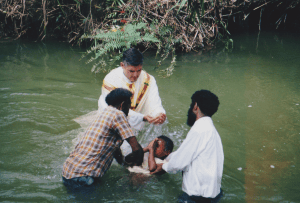
El destino fue una sorpresa para su familia, tanto que su hermana Beatrice Pennefather adelantó su boda dos meses para que su hermano pudiera celebrar la ceremonia.

Papúa Nueva Guinea está ubicada al norte de Australia, a unas 9,000 millas (14,484 km) de Washington, lejos de todo lo que el Obispo Emilio había conocido. Los capuchinos asumieron el trabajo misionero allí a principios de la década de 1950.

Él estudió y se informó sobre la región y, confiando en la Divina Providencia, se marchó con una sola maleta.

“Pensaba: ‘Déjenme ir a este lugar y solo pensar y preocuparme por este lugar, la iglesia y la gente allí, sin llevar muchas cosas externas’”, compartió. Fue asignado a la misión capuchina en las Tierras Altas del Sur de Papúa Nueva Guinea, en lo que él y los locales llamaban “el monte”, y que la mayoría describiría como una selva profunda y escarpada.

La misión se considera de “primer contacto”, al interactuar con pueblos indígenas aislados que han tenido poco o ningún contacto con el mundo exterior. De 1994 a 2004 sirvió principalmente a los pueblos de habla kewa y wiri en las áreas de Kagua, Ialibu y Pangia, y llegó a dominar el tok pisin melanesio. Durante ese período trabajó estrechamente con líderes laicos y catequistas. De 2002 a 2004 fue director de novicios en el noviciado capuchino en Pangia.
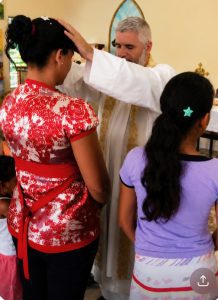
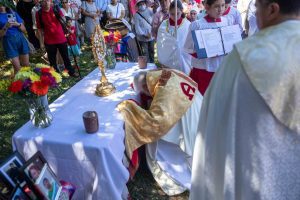
“Al trabajar en una misión de primer contacto —de primera evangelización— la iglesia era muy dinámica. Estaba llena de vida. Era maravilloso”, afirmó Obispo Emilio.

“Como primer destino, fue muy formativo. Estar presente con la gente era extremadamente importante, y también aprender y depender de los líderes laicos que conocían la manera en que la iglesia había sido establecida y había crecido. Aprendí muchísimo de mis hermanos capuchinos misioneros y de las religiosas que habían servido en las Tierras Altas durante muchos años. Amaban y respetaban a la gente”.

Añadió que sería difícil exagerar la manera en que los hermanos capuchinos en Papúa Nueva Guinea lo formaron como persona, como misionero y como capuchino.

Obispo Emilio se adaptó con facilidad al trabajo misionero, y hasta aprendió a hacer fuego con hierba y bambú.

“No me resultó difícil en absoluto, ni lo viví como un sacrificio. Disfrutaba recibir agua de los arroyos para beber, y bañarme en los ríos. Siempre me ha gustado estar al aire libre. En realidad, fue como un largo viaje de campamento”, afirmó.

Pasaba una o dos semanas en el monte, trasladándose de un lugar a otro con algún hermano capuchino o con líderes laicos, mientras aprendía el idioma y las costumbres del pueblo.

“Como sacerdote joven, servir en un país extranjero fue una oportunidad tremenda. Fue una buena experiencia, porque me hizo crecer espiritualmente de muchas maneras y aprendí muchísimo”, aseguró.

Trabajar de cerca con los laicos, todos ellos convertidos al catolicismo, era esencial para aprender cómo una sociedad tribal y polígama se transforma en una comunidad cristiana que trabaja para establecer matrimonios exclusivos para toda la vida.

“Teníamos que caminar con la gente, escuchar lo que hacían, acompañarles. El impulso misionero venía naturalmente del Espíritu Santo, a través de la oración y la reflexión, pero también al escuchar con atención a la gente y observar cómo Dios obraba en sus vidas”, declaró. “¡Qué privilegio tan grande vivir allí y trabajar allí! Esa misión realmente me formó como capuchino”.

Además de la formación que los capuchinos reciben antes de profesar sus votos, están llamados a una vida regular de oración, a vivir en fraternidad, y a formar una misión y apostolado juntos como forma de evangelización.

Obispo Emilio tuvo la oportunidad de regresar a Papúa Nueva Guinea por dos semanas en 2024 para una asamblea capuchina de los hermanos. Lo describió como una experiencia maravillosa, y pudo visitar a algunas de las personas con las que había trabajado.

“Me sorprendió, porque después de 20 años pude hablar pidgin en aproximadamente un día”, recordó.

Cuba

Aunque la idea de ser misionero en Cuba siempre estuvo en su mente, Obispo Emilio explicó que su interés se reavivó cuando un miembro del Consejo General de los Capuchinos en Roma visitó Papúa Nueva Guinea y comentó que había necesidad de misioneros en Cuba.

Al regresar a los Estados Unidos en 2005, buscó consejo del Obispo Auxiliar de Miami, Mons. Agustín Román, luego del rector del seminario, y más tarde del Obispo Felipe Estévez, de Miami, sobre el proceso para servir en Cuba.

La primera visita breve de Obispo Emilio a Cuba fue en el año 2000. Fue recibido por familiares y se hospedó con distintos parientes en La Habana, Camagüey (de donde eran sus padres), Santa Clara, Cienfuegos y Trinidad. Regresó en el verano de 2005 y estableció conexiones con la Iglesia allí, incluidos otros capuchinos.

“Fue muy beneficioso”, dijo, “una manera natural de aprender al visitar a la familia y ver cómo llevaba su vida diaria. Eso ayudó a disponer el terreno para mi regreso”.

Con el fin de prepararse para la misión en Cuba, Obispo Emilio estudió en el Pontificio Instituto Juan Pablo II para Estudios sobre el Matrimonio y la Familia, en la Universidad Católica de Washington, donde obtuvo la Licenciatura en Sagrada Teología (STL) con la distinción magna cum laude.

En 2007, Obispo Emilio llegó a Cuba en colaboración con la delegación capuchina española de Madrid. Sirvió en Cuba durante 12 años. Pasó su primer año en La Habana, luego tres años como párroco de La Pastora en Santa Clara, y los últimos ocho años en la zona oriental del país, en la Diócesis de Bayamo-Manzanillo, donde fue párroco de La Purísima Concepción de Manzanillo. También fue elegido Vicario para Religiosos en dicha diócesis.

Cuba es un estado comunista totalitario. Junto con Albania, Cuba se había declarado oficialmente un estado ateo.

“Hay muchas paradojas en Cuba. La Iglesia había sido eliminada sistemáticamente de la vida civil, pero algunas iglesias se toleraron, y en ocasiones se les permitía abrir sus puertas”, explicó. “Durante muchos años, cualquiera que entrara y participara en la vida de la Iglesia era percibido como una persona antisocial, antirrevolucionaria, y se le marginaba”.

La visita de San Juan Pablo II en 1998 se percibió como un alivio de algunas restricciones. Pero incluso con mayor apertura, hay muy pocos sacerdotes en el país y menos del uno por ciento de la población practica la fe con regularidad. El daño de más de 60 años de comunismo se ha sentido en todos los aspectos de la cultura y la sociedad. Hasta el día de hoy, las restricciones son severas.

“Dado que la religión es inherente a toda persona, en Cuba todos son, de algún modo, naturalmente religiosos”, afirmó Obispo Emilio. “Para muchos, la religión era algo difuso, pero ha formado parte de la cultura y la historia cubanas durante siglos”.

Su trabajo misionero se centró en la evangelización a través de la presencia y el servicio. Por ejemplo, los programas de educación religiosa tuvieron que adaptarse debido a las severas limitaciones en todo tipo de material catequético y educativo, a la falta de catequistas formados y disponibles, y a las restricciones relacionadas con el tiempo libre y la disponibilidad de la gente.

Similar a su labor en Papúa Nueva Guinea, vio una gran necesidad de evangelización a través de programas creativos de la Orden de Iniciación Cristiana para Adultos (OICA), algo que ha llevado consigo a cada destino.

Para lograrlo, Obispo Emilio dijo que el primer paso era mantener las puertas de la iglesia abiertas y estar disponible, o tener un laico educado disponible como “portero” en la entrada, “de modo que si alguien cruzaba la calle y entraba a la iglesia, pudiéramos estar preparados. Muchos iban. Llegaban buscando paz y un lugar para orar, porque en lo más profundo de sus almas existía una vida espiritual que había sido formalmente negada en la sociedad durante muchos años, pero que aún permanecía dentro de ellos. La gente anhelaba y buscaba la Iglesia porque buscaba a Dios”.

En 2017, cuatro de las hermanas del Obispo Emilio pudieron visitarlo en Cuba y vieron cómo servía a la gente al organizar capillas en toda la región para que él y los hermanos capuchinos pudieran llevar la misa, la instrucción catequética y el servicio, al establecer “comedores” o cocinas comunitarias que ofrecían comidas a los más pobres y servían como lugar de reunión para eventos y celebraciones.

“No había comunidad misionera de la Iglesia que él no tratara como si fuera la única”, dijo una de sus hermanas, Beatrice Pennefather.

“Fue un viaje impresionante”, compartió Elena Doyle, otra de sus hermanas. “Se levantaba temprano y pasaba cada día con la gente. Desarrolló una relación tremenda con ella. Su energía y pasión por servir era increíble. No podíamos seguirle el ritmo”.

Patricia Albisu, la hermana menor, contó que el viaje incluyó la visita a los lugares donde crecieron sus padres y abuelos, y ver el consultorio dental donde su padre trabajó décadas antes. Incluso llegaron a establecer contacto con algunos familiares allí.

También vieron cómo Obispo Emilio era amado por la gente, “gravitaban hacia él con naturalidad. Realizó cosas maravillosas por el pueblo”.

Albisu también quedó fascinada al visitar un lugar donde la gente rezaba el rosario de una manera diferente al recitar el Ave María y el Padre Nuestro y agregar más oraciones al final.

“¡Hermoso!”, manifestó Albisu.

Una manera de elevar la importancia de la Iglesia en la comunidad era al organizar procesiones públicas. Estas requerían un largo proceso de permisos, y cuando se lograban, se hacía todo lo posible para que fueran memorables.

“Estaban muy bien hechas, porque nos tomábamos el tiempo para decorar y preparar, se añadía un coro hermoso y lecturas bíblicas para permitir una participación más espiritual”, contó Obispo Emilio. “De ese modo, la Iglesia podía salir y demostrar la fe de manera muy pública. Muchas personas se asomaban para ver lo que sucedía”.

Caridades Católicas representó otro impulso para la Iglesia en Cuba al proporcionar ayuda material a través de las comunidades eclesiales a todos, fueran católicos o no.

“Ayudaba a los más necesitados y eso tenía un gran impacto”, observó el obispo. Esto también ayudaba a las pequeñas comunidades católicas a evaluar situaciones y tratar de presentar una respuesta, incluso si estaban severamente limitadas.

Washington

Para 2019, Obispo Emilio había servido en misiones internacionales la mayor parte de su vida como capuchino, y admitió que habría sido feliz quedándose en el extranjero el resto de su vida si ese hubiera sido el plan de Dios.

Pero no fue así, ya que el 1 de marzo de 2019 fue nombrado párroco del Santuario del Sagrado Corazón, en Washington, D.C. El Santuario tiene 5,000 familias y es una comunidad culturalmente diversa que cada fin de semana celebra el santo sacrificio de la misa en cinco idiomas: inglés, español, criollo haitiano, vietnamita y portugués. La vibrante parroquia está compuesta en un 95 por ciento por inmigrantes.


“La gente allí realmente ama su iglesia y su parroquia. Durante la pandemia, la gente iba y limpiaba los bancos. Es una comunidad hermosa”, indicó. “Los líderes laicos aprendieron las restricciones cambiantes durante el COVID, y se adaptaron para mantener la iglesia abierta y que los fieles pudieran recibir la Sagrada Comunión”.

El 21 de junio, en una recepción de despedida, el personal parroquial le presentó como expresión de gratitud un álbum de fotos con las muchas bendiciones que llevó a la comunidad: bodas, bautismos, primeras comuniones, programas de educación religiosa, y momentos de cada grupo de la parroquia, sin importar cuán pequeño fuera.

La parroquia enfrentó dificultades el año anterior cuando varios feligreses y otras personas vinculadas a la misma fueron detenidas durante redadas de inmigración.

Aunque los fieles entendían las razones por las que la inmigración debe ser regulada, Obispo Emilio sostuvo que la parroquia tuvo que responder, “porque nos estaba pasando a nosotros. No era teórico; era orgánico. Los feligreses respondieron de manera general al establecer el Ministerio Santa Madre Cabrini en agosto de 2025”.

Obispo Emilio añadió que la comunidad angloparlante del Santuario fue generosa y trabajadora. También recibieron apoyo económico, y a voluntarios de fuera de la parroquia. El ministerio cuenta con más de 100 voluntarios divididos en cuatro grupos: el que acompaña espiritualmente a las familias afectadas; el que lleva alimentos y suministros necesarios a los hogares; el que ofrece apoyo legal; y el que ofrece asistencia económica.

Desde las selvas de Papúa Nueva Guinea, luego a la nación comunista de Cuba, hasta una parroquia pobre en Washington, y ahora a la Diócesis de Venice, Obispo Emilio asume su destino con un don de gracia y liderazgo que ha crecido a través de años de experiencia diversa.

“Tiene la fe y el testimonio que atraen a hombres y mujeres a la persona de Jesucristo”, expresa una declaración del Cardenal Robert McElroy, Arzobispo de Washington, sobre el nombramiento de Obispo Emilio a Venice. “Predica el Evangelio con integridad y hace que el llamado a la conversión sea real y cautivador”.

Su hermana Beatrice Pennefather quizás lo describe mejor al asegurar que Obispo Emilio vive su vida como San Francisco de Asís, con el ejemplo. “Ese es él”.