




A call to be a missionary

Story in Spanish below – La historia en español aparece a continuación.

Bob Reddy – Florida Catholic

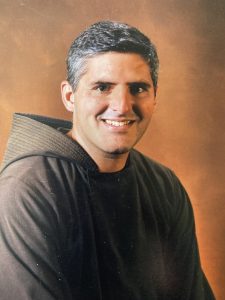
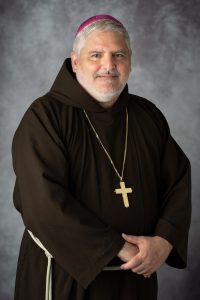
At a young age Bishop Emilio Biosca Agüero, O.F.M. Cap., knew he wanted to be a priest, but he was not sure about how or where.

As his interest in becoming a priest and joining a religious order grew, Bishop Emilio became fascinated with working in the missions but knew that as part of a religious order one never knew what assignments might happen. However, that was ok, because he took a vow of obedience, he said to himself. and the greatest contribution he could make to the mission of the church would be prayerful fidelity to God. Offering oneself to God completely would be more valuable than any apostolic contribution.
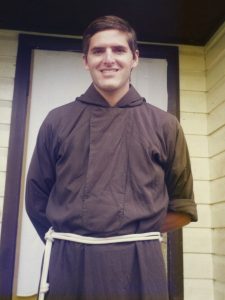
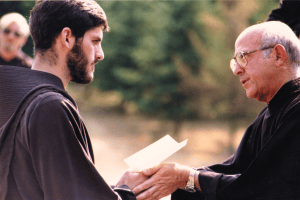
When Bishop Emilio entered the Capuchin Franciscans and made his first profession of vows of, poverty, chastity and obedience in Pittsburgh July 16, 1988, he did not know what God’s plans for him were.

Later, while studying theology in Washington D.C. in the late 1980’s, Bishop Eduardo Boza-Masvidal, who had been deported from Cuba in 1961, would visit for the yearly celebration and procession of Our Lady of Charity in September.

“Speaking privately with this great Bishop nurtured my spiritual life and the hope of one day serving in Cuba,” Bishop Emilio said. “During those years, I had also developed a friendship with Fr. Miguel Angel Loredo, OFM, who resided in Manhattan. He had been imprisoned for 10 years in Cuba and now dedicated his time to serve as an ordinary Franciscan priest. He also wrote poetry, painted and occasionally offer his testimony of the prison conditions in Cuba before the United Nations Human Rights Office in Geneva.”

Bishop Emilio admitted that he earnestly wanted to be sent to the missions, and was always interested in serving in Cuba, where there was a great need, and few priests. He expected he might serve in the United States for some time to gain necessary experience before even being considered for the missions.

Papua New Guinea

“I was willing to go to West Virigina, Virginia, Maryland or go anywhere, but around the time of my ordination there were several missionaries returning from Papua New Guinea for various reasons and I was asked if I was interested in going. I said, ‘Sure!’”
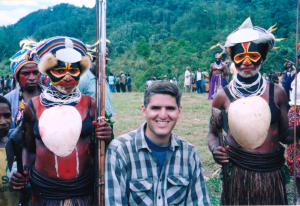
The assignment was a surprise to his family, so much so that his sister, Beatrice, moved her wedding forward by two months so her brother could officiate the ceremony.

Papua New Guinea is located north of Australia, about 9,000 miles from Washington, far from everything Bishop Emilio has ever known. The Capuchins took over the missionary work there in the early 1950s.

He studied and researched the region and trusting in Divine Providence and went with only one bag. “I thought, ‘Let me go to this place and only think and worry about this place, the church, and the people there, without carrying many things from the outside.’” He was assigned to the Capuchin mission in the Southern Highlands of Papua New Guinea, in what he, and the locals, called the bush, and what most people would consider to be the deep and rugged jungle.

The mission is considered one of first contact, interacting with isolated indigenous people who have had no little or no dealings with the outside world. From 1994 to 2004 he served predominantly the Kewa and Wiri speaking peoples in the Kagua, Ialibu and Pangia areas of the Southern Highlands and became fluent in Melanesian Tok Pisin. During this period, he worked closely with lay leaders and catechists. From 2002-2004 he served as the Director of Novices for the Capuchin Novitiate in Pangia.

“Working in a first contact – first evangelization mission, the church was very dynamic. It was full of life. It was fantastic,” Bishop Emilio said. “As a first assignment, it was very formative … to be present with the people was extremely important and also learning and depending on the lay leaders who knew the manner in which the church had been implanted and had grown. I learned a great deal from my Capuchin brother missionaries and from the religious women who had been ministering in the Highlands for many years. They loved and respected the people.” He said that it would be difficult to exaggerate the manner in which the Capuchin brothers in Papua New Guinea formed him as a person, as a missionary and as a Capuchin.
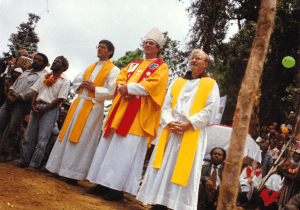
Bishop Emilio took to missionary work easily, even learning to make fire with grass and bamboo. “For me it was not too difficult or sacrificial. at all. I enjoyed receiving drinking water from streams and bathing in the rivers. I’ve always liked the outdoors. It was really like a long camping trip.”

He would spend a week or two in the bush, moving from place to place with another Capuchin brother or with lay leaders, while learning the language and customs of the people. “As a young priest, it was a tremendous chance to go to a foreign country to serve. It was good, because it stretched me spiritually in so many ways and I learned so much.”

Working closely with the lay people, all of whom had been converted to Catholicism, was essential in gradually learning how a polygamous and tribal society is transformed into a Christian community that works to establish personal and exclusive marriages for life.

“We had to be able to walk with the people, to listen to what they were doing, to accompany them… The missionary impulse came naturally from the Holy Spirit, through prayer and reflection, but also listening a lot to the people and observing how God worked in their lives. What a tremendous privilege to live there and work there. That mission really formed me as a Capuchin.”

Besides the formation that Capuchins have before taking vows, they are called to a regular life of prayer, to live in fraternity and to form a mission and apostolate together, as a way of evangelizing.

Bishop Emilio had the opportunity to return to Papua New Guinea for two weeks in 2024, for a Capuchin Assembly of the brothers. In what he described as a fantastic experience, he was able to visit some of the people with whom he had worked. “I was surprised, because after 20 years I could speak Pidgin in about one day.”

Cuba
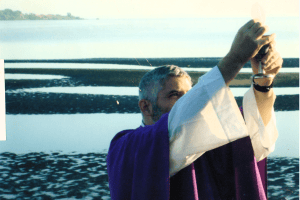
While the idea of being a missionary in Cuba was always in the back of his mind, Bishop Emilio explained his interest was rekindled by a visit to Papua New Guinea by member of the General Council of the Capuchins from Rome who said there was a need for missionaries in Cuba. Upon his 2005 return to the U.S., he sought advice from Bishop Agustín Román of Miami and then rector of the seminary and later Bishop Felipe Estevez of Miami about the process of entering to serve in Cuba.

Bishop Emilio’s first brief visit to Cuba had been in 2000. He was met by family and stayed with different relatives in Havana, Camaguey (where his parents were from), Santa Clara, Cienfuegos and Trinidad. He returned in the summer of 2005 and made connections with the church there, including fellow Capuchins.

“This was very beneficial,” Bishop Emilio said. “A natural way to learn, visiting family and learning how they lived their daily lives. It helped lay the groundwork for my return.”

In preparation for the upcoming mission work in Cuba, Bishop Emilio studied at the Pontifical John Paul II Institute for Studies on Marriage and the Family at Catholic University in Washington, earning his STL degree (Licentiate in Sacred Theology), Magna Cum Laude.

In 2007, Bishop Emilio entered Cuba, in collaboration with the Capuchin Spanish delegation of Madrid. He served in Cuba for 12 years. He spent his first year in Havana, then three years as Pastor of La Pastora Parish in Santa Clara, and the last eight years on the eastern side of the country in the Diocese of Bayamo-Manzanillo, where he was Pastor of La Purisima Concepcion de Manzanillo. He was also elected as Vicar for Religious in the Cuban Diocese of Bayamo.
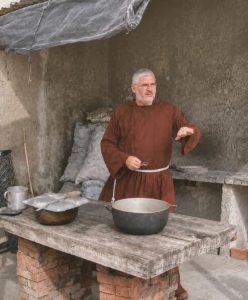
Cuba is a totalitarian communist state. Along with only Albania, Cuba had declared itself officially an atheist state. “There are many paradoxes in Cuba. The church had been systematically eliminated from civil life, but some churches were permitted to exist, and the doors were sometimes permitted to be opened. For many years, anyone who entered and participated in the life of the church was perceived as an anti-social, anti-revolutionary person and ostracized,” Bishop Emilio explained. The 1998 visit by St. Pope John Paul II was perceived to have alleviated some restrictions.

Even with more openness, there are very few priests in the country and less than one percent of the population is actually practicing the faith regularly. The damage of more than 60 years of communism has been felt in every aspect of the culture and the society. To this day, restrictions are severe.

“Since religion is natural to every person human, everyone in Cuba is naturally religious,” Bishop Emilio said. “Religion was vague for many but has formed a part of the Cuban culture and history for centuries.”

His missionary work focused on evangelization through presence and service. For example, the religious education programs had to be adapted due to severe limitations on every kind of catechetical and teaching material, the lack of formed and available catechists and limitations regarding free time and the availability of the people.
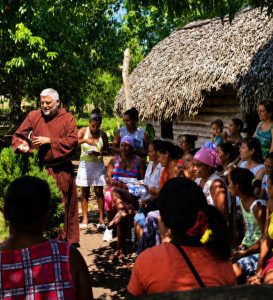
Similar to his mission work in Papua New Guinea, he saw a great need for evangelization through creative OCIA (Order of Christian Initiation for Adults) programs, something he has carried with him to each posting.

To accomplish this, Bishop Emilio said the first step was keeping the church doors open and being available or having an educated lay member of the community available to serve as “porter,” at the church doors, “so people that if someone might cross the street and wander into the church we could be prepared.  Many people did come. They came looking for peace and a place to pray, because inside in the deepest part of their souls, there was a spiritual life that had been formally denied in society for many years, but it still existed within them. The people were yearning and looking to the church because they were seeking God.”

In 2017, four of Bishop Emilio’s sisters were able to visit him in Cuba and they saw first-hand how served the people by organizing Chapels throughout the region so that he and the Capuchin brothers could bring the Mass, catechetical instruction and service by founding “comedores,” or community kitchens that could provide meals to the poorest and also serve as a place to gather the community for special events and celebrations.

Beatrice Pennefather, one of Bishop Emilio’s sisters, said “there was no mission community of the church that he did not treat as if it was the only one.”

“It was an amazing trip,” said Elena Doyle, another of Bishop Emilio’s sisters. “He would rise early in the morning spend each day with the people. He built up a tremendous relationship with them. His energy and passion for serving the people was incredible. We couldn’t keep up.”

Patricia Albisu, the youngest sister, said the trip included visiting where their parents and grandparents grew up and seeing the dental office their father worked decades before. They even connected with some family there.

The sisters also saw how Bishop Emilio was beloved by the people, “because people naturally gravitated toward him. He did wonderful things for the people.”

Patricia was also fascinated when visiting one location and people were praying the rosary but in a different way, reciting the Hail Mary and the Our Father and adding more prayers at the end. “Beautiful!”

One way to raise the importance of the church in the community was by organizing public processions. These would go through a lengthy process to get permission, so when they did happen, Bishop Emilio said every effort was made to make them memorable.

“They were very well done, because we would take the time to decorate and prepare, adding a beautiful choir and scripture readings to allow for a more spiritual participation,” Bishop Emilio said. “It was a way in which the church could go out and show the faith in a very public way. Many people would come out to see what was happening.”

Another boost for the church in Cuba was through Catholic Charities, which provided material aid through the church communities to all, whether Catholic or not. “It would help the neediest and that made a big impact.” This would also help the small Catholic communities evaluate a situation and try to form a response, even if severely limited.

Washington

By 2019, Bishop Emilio has served in international missions for most his life as a Capuchin and admits he would have been happy to stay overseas for the rest of his life if that was where God needed him.
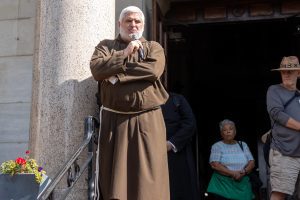
That was not meant to be, as he was appointed as pastor of the Shrine of the Sacred Heart in Washington on March 1, 2019. The Shrine of the Sacred Heart has 5,000 families and is culturally diverse, offering the Holy Sacrifice of the Mass in five languages each weekend (English, Spanish, Haitian Creole, Vietnamese, and Portuguese).

The vibrant parish is comprised of 95 percent immigrants. “The people there really love their church and their parish. During the pandemic, people would come in and wipe down the pews and benches. It is a beautiful community. Throughout COVID the lay leaders learned the changing restrictions and adapted themselves in order to keep the church open so that the faithful could receive Holy Communion.”

At a farewell reception on June 21, as an expression of their gratitude toward Bishop Emilio, the parish staff presented him with a photo album of the many blessings he brought to the parish community: weddings, baptisms, First Holy Communions, religious education programs and something from every group at the parish, no matter how small.

The Parish faced hardships in the past year as a number of parishioners and other people connected to the parish were picked up during immigration sweeps. While the faithful understood reasons why immigration needs to be regulated, Bishop Emilio said that the parish had to respond, “because it was happening to us. It was not theoretical. It was organic. The parishioners responded in a most general manner by forming the St. Mother Cabrini Ministry in August of 2025.”  Bishop Emilio added that the English-speaking community at Sacred Heart was generous and hardworking. Financial assistance and volunteers also came from outside the parish.
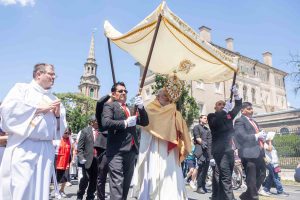
The ministry has more than 100+ volunteers who are divided into four groups: those who accompany the impacted families spiritually; those who bring needed food and supplies to homes; those who offer legal support; and those who offer economic assistance.

From the jungles of Papua New Guinea, then to the communist nation of Cuba, to a poor parish in Washington, to now the Diocese of Venice, Bishop Emilio takes over with a gift of grace and leadership that has grown through years of diverse experience.

A statement from Cardinal Robert McElroy, Archbishop of Washington, on the appointment of Bishop Emilio to Venice states: “He has the faith and witness which attracts men and women to the person of Jesus Christ. He piercingly preaches the Gospel in its integrity and makes the call to conversion real and engaging.”

Perhaps his sister Beatrice describes him the best when she said he lives his life like St. Francis of Assisi, by example. “That’s him.”


Un llamado a ser misionero

Una vida sin fronteras al servicio del pueblo de Dios

Desde joven, el Obispo Emilio Biosca Agüero, O.F.M. Cap., sabía que quería ser sacerdote, pero no estaba seguro de cómo ni dónde.

A medida que crecía su interés en convertirse en sacerdote y unirse a una orden religiosa, Obispo Emilio —como ha pedido que le llamen— se fascinó con el trabajo en las misiones, aunque sabía que, al formar parte de una orden religiosa, nunca se sabía qué destinos podrían surgir. Sin embargo, se decía a sí mismo que eso le parecía bien porque había hecho un voto de obediencia, y la mayor contribución que podía hacer a la misión de la Iglesia sería la fidelidad orante a Dios. Ofrecerse completamente a Dios sería más valioso que cualquier contribución apostólica.

Cuando Obispo Emilio ingresó a la Orden de los Franciscanos Capuchinos e hizo su primera profesión de votos —pobreza, castidad y obediencia— en Pittsburgh el 16 de julio de 1988, desconocía cuáles eran los planes de Dios para él.

Mientras estudiaba teología en Washington D.C. a finales de la década de 1980, el Obispo Eduardo Boza-Masvidal, quien había sido deportado de Cuba en 1961, visitaba la ciudad para la celebración y procesión anual de la Virgen de la Caridad en septiembre.

“Hablar en privado con ese gran obispo alimentó mi vida espiritual y la esperanza de algún día servir en Cuba”, aseguró Obispo Emilio. “Durante esos años también desarrollé una amistad con el P. Miguel Ángel Loredo, O.F.M., quien residía en Manhattan. Estuvo encarcelado durante 10 años en Cuba y ahora dedicaba su tiempo a servir como un sacerdote franciscano ordinario. También escribía poesía, pintaba, y ocasionalmente ofrecía su testimonio ante la Oficina de Derechos Humanos de las Naciones Unidas en Ginebra sobre las condiciones de las prisiones en Cuba”.

Obispo Emilio admitió que sentía un deseo profundo de ser enviado a las misiones, y siempre estuvo interesado en servir en Cuba, donde había gran necesidad pero pocos sacerdotes. Suponía que serviría en los Estados Unidos por un tiempo para adquirir la experiencia necesaria antes de ser considerado para las misiones.

Papúa Nueva Guinea
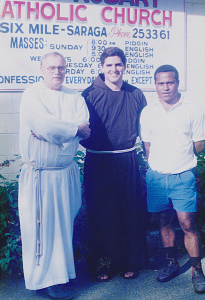
“Estaba dispuesto a ir a West Virginia, Virginia, Maryland o a cualquier lugar, pero durante el tiempo de mi ordenación varios misioneros regresaban de Papúa Nueva Guinea por diversas razones y me preguntaron si estaba interesado en ir. Les respondí: ‘¡Claro!’”

El destino fue una sorpresa para su familia, tanto que su hermana Beatrice Pennefather adelantó su boda dos meses para que su hermano pudiera celebrar la ceremonia.

Papúa Nueva Guinea está ubicada al norte de Australia, a unas 9,000 millas (14,484 km) de Washington, lejos de todo lo que el Obispo Emilio había conocido. Los capuchinos asumieron el trabajo misionero allí a principios de la década de 1950.

Él estudió y se informó sobre la región y, confiando en la Divina Providencia, se marchó con una sola maleta.

“Pensaba: ‘Déjenme ir a este lugar y solo pensar y preocuparme por este lugar, la iglesia y la gente allí, sin llevar muchas cosas externas’”, compartió. Fue asignado a la misión capuchina en las Tierras Altas del Sur de Papúa Nueva Guinea, en lo que él y los locales llamaban “el monte”, y que la mayoría describiría como una selva profunda y escarpada.
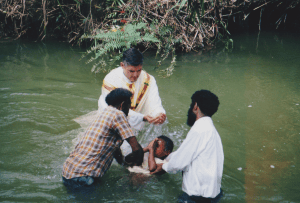
La misión se considera de “primer contacto”, al interactuar con pueblos indígenas aislados que han tenido poco o ningún contacto con el mundo exterior. De 1994 a 2004 sirvió principalmente a los pueblos de habla kewa y wiri en las áreas de Kagua, Ialibu y Pangia, y llegó a dominar el tok pisin melanesio. Durante ese período trabajó estrechamente con líderes laicos y catequistas. De 2002 a 2004 fue director de novicios en el noviciado capuchino en Pangia.

“Al trabajar en una misión de primer contacto —de primera evangelización— la iglesia era muy dinámica. Estaba llena de vida. Era maravilloso”, afirmó Obispo Emilio.

“Como primer destino, fue muy formativo. Estar presente con la gente era extremadamente importante, y también aprender y depender de los líderes laicos que conocían la manera en que la iglesia había sido establecida y había crecido. Aprendí muchísimo de mis hermanos capuchinos misioneros y de las religiosas que habían servido en las Tierras Altas durante muchos años. Amaban y respetaban a la gente”.

Añadió que sería difícil exagerar la manera en que los hermanos capuchinos en Papúa Nueva Guinea lo formaron como persona, como misionero y como capuchino.

Obispo Emilio se adaptó con facilidad al trabajo misionero, y hasta aprendió a hacer fuego con hierba y bambú.

“No me resultó difícil en absoluto, ni lo viví como un sacrificio. Disfrutaba recibir agua de los arroyos para beber, y bañarme en los ríos. Siempre me ha gustado estar al aire libre. En realidad, fue como un largo viaje de campamento”, afirmó.

Pasaba una o dos semanas en el monte, trasladándose de un lugar a otro con algún hermano capuchino o con líderes laicos, mientras aprendía el idioma y las costumbres del pueblo.

“Como sacerdote joven, servir en un país extranjero fue una oportunidad tremenda. Fue una buena experiencia, porque me hizo crecer espiritualmente de muchas maneras y aprendí muchísimo”, aseguró.

Trabajar de cerca con los laicos, todos ellos convertidos al catolicismo, era esencial para aprender cómo una sociedad tribal y polígama se transforma en una comunidad cristiana que trabaja para establecer matrimonios exclusivos para toda la vida.

“Teníamos que caminar con la gente, escuchar lo que hacían, acompañarles. El impulso misionero venía naturalmente del Espíritu Santo, a través de la oración y la reflexión, pero también al escuchar con atención a la gente y observar cómo Dios obraba en sus vidas”, declaró. “¡Qué privilegio tan grande vivir allí y trabajar allí! Esa misión realmente me formó como capuchino”.

Además de la formación que los capuchinos reciben antes de profesar sus votos, están llamados a una vida regular de oración, a vivir en fraternidad, y a formar una misión y apostolado juntos como forma de evangelización.

Obispo Emilio tuvo la oportunidad de regresar a Papúa Nueva Guinea por dos semanas en 2024 para una asamblea capuchina de los hermanos. Lo describió como una experiencia maravillosa, y pudo visitar a algunas de las personas con las que había trabajado.

“Me sorprendió, porque después de 20 años pude hablar pidgin en aproximadamente un día”, recordó.

Cuba

Aunque la idea de ser misionero en Cuba siempre estuvo en su mente, Obispo Emilio explicó que su interés se reavivó cuando un miembro del Consejo General de los Capuchinos en Roma visitó Papúa Nueva Guinea y comentó que había necesidad de misioneros en Cuba.
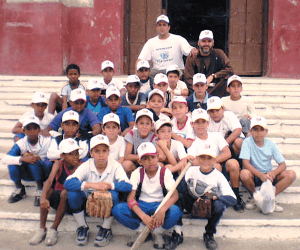
Al regresar a los Estados Unidos en 2005, buscó consejo del Obispo Auxiliar de Miami, Mons. Agustín Román, luego del rector del seminario, y más tarde del Obispo Felipe Estévez, de Miami, sobre el proceso para servir en Cuba.

La primera visita breve de Obispo Emilio a Cuba fue en el año 2000. Fue recibido por familiares y se hospedó con distintos parientes en La Habana, Camagüey (de donde eran sus padres), Santa Clara, Cienfuegos y Trinidad. Regresó en el verano de 2005 y estableció conexiones con la Iglesia allí, incluidos otros capuchinos.

“Fue muy beneficioso”, dijo, “una manera natural de aprender al visitar a la familia y ver cómo llevaba su vida diaria. Eso ayudó a disponer el terreno para mi regreso”.

Con el fin de prepararse para la misión en Cuba, Obispo Emilio estudió en el Pontificio Instituto Juan Pablo II para Estudios sobre el Matrimonio y la Familia, en la Universidad Católica de Washington, donde obtuvo la Licenciatura en Sagrada Teología (STL) con la distinción magna cum laude.

En 2007, Obispo Emilio llegó a Cuba en colaboración con la delegación capuchina española de Madrid. Sirvió en Cuba durante 12 años. Pasó su primer año en La Habana, luego tres años como párroco de La Pastora en Santa Clara, y los últimos ocho años en la zona oriental del país, en la Diócesis de Bayamo-Manzanillo, donde fue párroco de La Purísima Concepción de Manzanillo. También fue elegido Vicario para Religiosos en dicha diócesis.

Cuba es un estado comunista totalitario. Junto con Albania, Cuba se había declarado oficialmente un estado ateo.

“Hay muchas paradojas en Cuba. La Iglesia había sido eliminada sistemáticamente de la vida civil, pero algunas iglesias se toleraron, y en ocasiones se les permitía abrir sus puertas”, explicó. “Durante muchos años, cualquiera que entrara y participara en la vida de la Iglesia era percibido como una persona antisocial, antirrevolucionaria, y se le marginaba”.

La visita de San Juan Pablo II en 1998 se percibió como un alivio de algunas restricciones. Pero incluso con mayor apertura, hay muy pocos sacerdotes en el país y menos del uno por ciento de la población practica la fe con regularidad. El daño de más de 60 años de comunismo se ha sentido en todos los aspectos de la cultura y la sociedad. Hasta el día de hoy, las restricciones son severas.
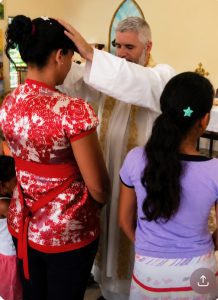
“Dado que la religión es inherente a toda persona, en Cuba todos son, de algún modo, naturalmente religiosos”, afirmó Obispo Emilio. “Para muchos, la religión era algo difuso, pero ha formado parte de la cultura y la historia cubanas durante siglos”.

Su trabajo misionero se centró en la evangelización a través de la presencia y el servicio. Por ejemplo, los programas de educación religiosa tuvieron que adaptarse debido a las severas limitaciones en todo tipo de material catequético y educativo, a la falta de catequistas formados y disponibles, y a las restricciones relacionadas con el tiempo libre y la disponibilidad de la gente.

Similar a su labor en Papúa Nueva Guinea, vio una gran necesidad de evangelización a través de programas creativos de la Orden de Iniciación Cristiana para Adultos (OICA), algo que ha llevado consigo a cada destino.

Para lograrlo, Obispo Emilio dijo que el primer paso era mantener las puertas de la iglesia abiertas y estar disponible, o tener un laico educado disponible como “portero” en la entrada, “de modo que si alguien cruzaba la calle y entraba a la iglesia, pudiéramos estar preparados. Muchos iban. Llegaban buscando paz y un lugar para orar, porque en lo más profundo de sus almas existía una vida espiritual que había sido formalmente negada en la sociedad durante muchos años, pero que aún permanecía dentro de ellos. La gente anhelaba y buscaba la Iglesia porque buscaba a Dios”.

En 2017, cuatro de las hermanas del Obispo Emilio pudieron visitarlo en Cuba y vieron cómo servía a la gente al organizar capillas en toda la región para que él y los hermanos capuchinos pudieran llevar la misa, la instrucción catequética y el servicio, al establecer “comedores” o cocinas comunitarias que ofrecían comidas a los más pobres y servían como lugar de reunión para eventos y celebraciones.

“No había comunidad misionera de la Iglesia que él no tratara como si fuera la única”, dijo una de sus hermanas, Beatrice Pennefather.

“Fue un viaje impresionante”, compartió Elena Doyle, otra de sus hermanas. “Se levantaba temprano y pasaba cada día con la gente. Desarrolló una relación tremenda con ella. Su energía y pasión por servir era increíble. No podíamos seguirle el ritmo”.

Patricia Albisu, la hermana menor, contó que el viaje incluyó la visita a los lugares donde crecieron sus padres y abuelos, y ver el consultorio dental donde su padre trabajó décadas antes. Incluso llegaron a establecer contacto con algunos familiares allí.

También vieron cómo Obispo Emilio era amado por la gente, “gravitaban hacia él con naturalidad. Realizó cosas maravillosas por el pueblo”.

Albisu también quedó fascinada al visitar un lugar donde la gente rezaba el rosario de una manera diferente al recitar el Ave María y el Padre Nuestro y agregar más oraciones al final.

“¡Hermoso!”, manifestó Albisu.

Una manera de elevar la importancia de la Iglesia en la comunidad era al organizar procesiones públicas. Estas requerían un largo proceso de permisos, y cuando se lograban, se hacía todo lo posible para que fueran memorables.

“Estaban muy bien hechas, porque nos tomábamos el tiempo para decorar y preparar, se añadía un coro hermoso y lecturas bíblicas para permitir una participación más espiritual”, contó Obispo Emilio. “De ese modo, la Iglesia podía salir y demostrar la fe de manera muy pública. Muchas personas se asomaban para ver lo que sucedía”.

Caridades Católicas representó otro impulso para la Iglesia en Cuba al proporcionar ayuda material a través de las comunidades eclesiales a todos, fueran católicos o no.

“Ayudaba a los más necesitados y eso tenía un gran impacto”, observó el obispo. Esto también ayudaba a las pequeñas comunidades católicas a evaluar situaciones y tratar de presentar una respuesta, incluso si estaban severamente limitadas.

Washington

Para 2019, Obispo Emilio había servido en misiones internacionales la mayor parte de su vida como capuchino, y admitió que habría sido feliz quedándose en el extranjero el resto de su vida si ese hubiera sido el plan de Dios.
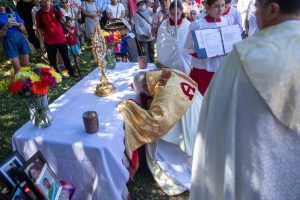
Pero no fue así, ya que el 1 de marzo de 2019 fue nombrado párroco del Santuario del Sagrado Corazón, en Washington, D.C. El Santuario tiene 5,000 familias y es una comunidad culturalmente diversa que cada fin de semana celebra el santo sacrificio de la misa en cinco idiomas: inglés, español, criollo haitiano, vietnamita y portugués. La vibrante parroquia está compuesta en un 95 por ciento por inmigrantes.

“La gente allí realmente ama su iglesia y su parroquia. Durante la pandemia, la gente iba y limpiaba los bancos. Es una comunidad hermosa”, indicó. “Los líderes laicos aprendieron las restricciones cambiantes durante el COVID, y se adaptaron para mantener la iglesia abierta y que los fieles pudieran recibir la Sagrada Comunión”.

El 21 de junio, en una recepción de despedida, el personal parroquial le presentó como expresión de gratitud un álbum de fotos con las muchas bendiciones que llevó a la comunidad: bodas, bautismos, primeras comuniones, programas de educación religiosa, y momentos de cada grupo de la parroquia, sin importar cuán pequeño fuera.

La parroquia enfrentó dificultades el año anterior cuando varios feligreses y otras personas vinculadas a la misma fueron detenidas durante redadas de inmigración.

Aunque los fieles entendían las razones por las que la inmigración debe ser regulada, Obispo Emilio sostuvo que la parroquia tuvo que responder, “porque nos estaba pasando a nosotros. No era teórico; era orgánico. Los feligreses respondieron de manera general al establecer el Ministerio Santa Madre Cabrini en agosto de 2025”.

Obispo Emilio añadió que la comunidad angloparlante del Santuario fue generosa y trabajadora. También recibieron apoyo económico, y a voluntarios de fuera de la parroquia. El ministerio cuenta con más de 100 voluntarios divididos en cuatro grupos: el que acompaña espiritualmente a las familias afectadas; el que lleva alimentos y suministros necesarios a los hogares; el que ofrece apoyo legal; y el que ofrece asistencia económica.

Desde las selvas de Papúa Nueva Guinea, luego a la nación comunista de Cuba, hasta una parroquia pobre en Washington, y ahora a la Diócesis de Venice, Obispo Emilio asume su destino con un don de gracia y liderazgo que ha crecido a través de años de experiencia diversa.

“Tiene la fe y el testimonio que atraen a hombres y mujeres a la persona de Jesucristo”, expresa una declaración del Cardenal Robert McElroy, Arzobispo de Washington, sobre el nombramiento de Obispo Emilio a Venice. “Predica el Evangelio con integridad y hace que el llamado a la conversión sea real y cautivador”.

Su hermana Beatrice Pennefather quizás lo describe mejor al asegurar que Obispo Emilio vive su vida como San Francisco de Asís, con el ejemplo. “Ese es él”.
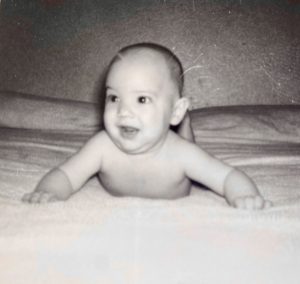
Family important to new bishop

Story in Spanish below – La historia en español aparece a continuación

Bob Reddy – Florida Catholic

Whether participating in sports, discerning a vocation to religious life, serving in missions overseas or running a large parish, Bishop Emilio Biosca Agüero, O.F.M. Cap., always kept a strong connection to his loving and growing immigrant family.

In his 61 years, Bishop Emilio has tried to live his life in the best way he can, always trying to keep the ties to his family strong even when living thousands of miles away.

Family history

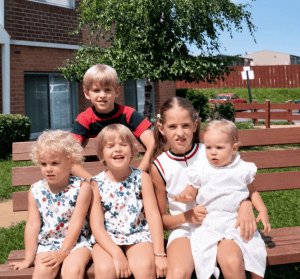
Bishop Emilio was born in December 1964 in Colorado Springs, Colorado, the third of seven children, and first in his family to be born in the United States. Maria (June 1962) and Ana Cristina (January 1964) were both born in Cuba.

He was baptized 10 days later, on Christmas Day at St. Patrick’s Church in Pueblo. His parents, Emilio Rodolfo Biosca and Maria del Carmen Agüero, were recent immigrants from Cuba who fled the Communist country in search of freedom and a better life for their family.

The bishop can trace his family history in Cuba back many generations, about 500 years on his mother’s side of the family, and at least 150 years of his father’s side. The stories his father and mother shared of their long family history and the difficult decision to flee the communist country and leave everything behind had a lasting impact.

Bishop Emilio’s sister, Beatrice Pennefather, said their father shared stories of the family’s life in Cuba to teach the children the importance of knowing their roots while at the same time learning the lesson of what could be lost and relying on their faith to help get through difficult times.

When the Communist revolution took place on Jan. 1, 1959, families were torn apart. Emilio Rodolfo Biosca and Maria del Carmen Agüero were married on July 29, 1961. This was months after the failed Bay of Pigs invasion. Several relatives were part of the invasion and were captured and imprisoned while others relatives were incorporated into the enthusiasm of the communist revolution.

By 1964, the churches had been closed, some priests had been deported, Catholic schools and hospitals had been confiscated and his parents saw how grave the situation was in Cuba, both politically and religiously, and realizing it wasn’t going to change, the Biosca’s, now with two daughters, and their extended families made the decision together to leave.

T

he stories from his parents about life in Cuba, before and after the revolution, and then their fleeing to the United States, had a deep impact on the bishop.

“Their immigration experience. Their coming to the United States for religious freedom and for economic reasons at that time, certainly marked my life and my vocation,” Bishop Emilio said. “They had to leave everything behind. They exchanged freedom for all of their material goods and for the history that had been part of the family for many generations. I remember that my dad said that once they knew the extent of the communist power over the country, they didn’t think twice and made a firm decision.”

When Bishop Emilio went to Cuba as a missionary priest from 2007-2019, he tried to rekindled family ties that had been broken as a result of the communist revolution.

“All of these people are scattered, but he is the thread that had come through and united our family, extending it in a way that would not have happened if he wouldn’t have been down there,” Beatrice said. “His focus on learning the family history and redefining us. We are family. Family means something.”

Living in America

The Biosca’s arrived in Colorado in 1964, with two daughters Maria (1962) and Ana Christina (1964), who was g

ravely ill at the time, and with his mother pregnant with Bishop Emilio. After he was born, the family continued to seek help for Ana Cristina, but she passed away on December 8, 1966. The family then moved to Kansas City, Missouri, where his father, already a practicing dentist in Cuba, worked and studied, graduating from the University of Missouri-Kansas City (UMKC) School of Dentistry. The family relocated near relatives in Virginia, where his father opened a practice.

Bishop Emilio attended St. Anthony and St. Leo Catholic schools, and then Bishop O’Connell High School, each in northern Virginia.

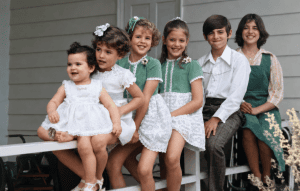
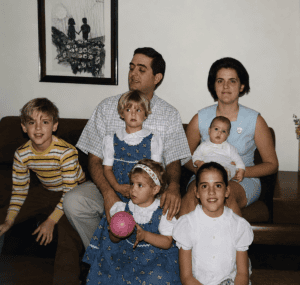
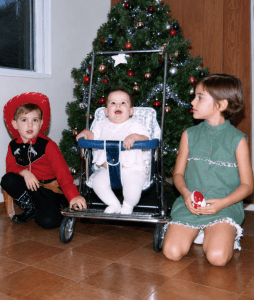
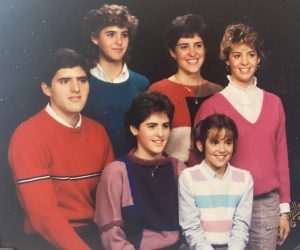
While he was growing up Bishop Emilio explained that his parents lived their life “simply and even austerely. We never wanted for anything, but my parents were careful about how they spent. Catholic education was a priority, so we all went to Catholic schools and this decision, for me, was formative.” Four additional daughters were welcomed into the family: Elena (1968), Beatrice (1969), Lisette (1971) (now a cloistered Poor Clare Nun, Sister Maria Jose of Jesus), and Patricia (1975).

He remembers growing up living in small apartments and the family car was used but practical. Gradually the family’s economics improved. Eventually in 1974 the family bought a house for the large family. “My parents were old-school. They didn’t believe in spending what they didn’t have, and even today they can’t understand how some people accumulate insurmountable debts.” Eventually, they did take out a modest loan to purchase a house.

Strong faith and values

Bishop Emilio’s parents are deeply faithful but not in a fanatical or exaggerated manner. He describes their faith life as being balanced, serene and committed.

While still in Cuba, his father became a member of the ACU (Agrupación Católica Universitaria), which was founded in La Habana by Fr. Felipe Rey de Castro, SJ, in 1931 to form men in the faith. “They were formed in the model of “Esto Vir,” that is, “Be a Man,” from 1 Kings 2:2,” the bishop explained. “In Cuba, at that time, it meant formation in spirituality, professionalism and the apostolate. It was important to establish a male spirituality that included commitment to family life; fidelity in marriage; excellence in your work ethic; being honest in your work; to do a job well; and to offer service to the poor.”

Following the rise of the Communist regime and its anti-religion policies in the 1960s, the organization went into exile in the United States, continuing its mission in Miami and other places, like Washington DC. This group of men would meet every week for mass and confession. There were also presentations on the faith, with different men offering points of discussion on the latest papal encyclical, or key happenings in the church.

“When we moved to northern Virginia, Dad would go to meetings in D.C. There would be yearly retreats one weekend for men, and another for women, which would last for two or three days,” Bishop Emilio said. “Fr. Amando Llorente, SJ, led the group for many years. They were very well balanced and committed to the faith, with a very keen sense of commitment to the church, fidelity in marriage and dedication to the children.”

The bishop also shared that sometimes it seems that “people say that the faith or the family is their number one priority, but whenever a family is in conflict with some other value, it loses to almost everything else. Sometimes parents fall into idolatry of sports or grades. When you lose out on meals or outings together for something less important, it’s really not helpful for establishing the primacy of the faith or the family. My parents we very even keeled on those things. Grades were important, but it was not an idol. More of an idol to them was hard work and excellence in what you were supposed to do at any given time.”

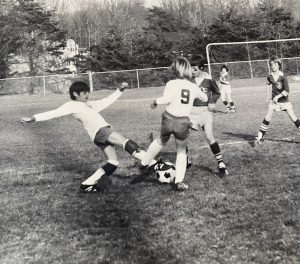
Bishop Emilio was very involved in sports growing up, particularly with soccer and was good enough to compete on travel teams, but even for important games, family would come first. “I would sometimes miss important matches because we would go to the mountains with our grandparents or other members of the family. My grandparents and family were more important. That was very impactful.”
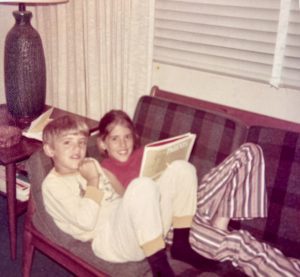
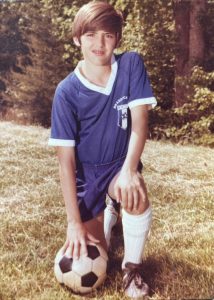
The guidance of his parents in the importance of the mass meant that they instilled in their children that “all of the readings and homilies meant something. They also didn’t care who the priest was celebrating mass. I think that made an impact on me as well. They wanted to receive Holy Communion and to hear the Word of God. They could always find something worth meditating on from the priest’s homily.”

He also cannot remember a single Sunday when the family didn’t go to mass. Even while on vacation in Myrtle Beach, South Carolina, or camping in the Shenandoah mountains of Virginia, the first thing his parents did when arriving at their destination was to find the local Catholic church and figure out what time mass was. “We would go about our vacation and be sure to be there for Sunday mass.”

Patricia Albisu, Bishop Emilio’s youngest sister, said that the big family vacations were “an important waste of time, because that’s when the connections grow and you make time for each other.”

Being the only boy with many sisters, Bishop Emilio was a typical teen, hanging out with neighborhood friends and those from his soccer teams. He was always kind to everyone, but he was also protective of his sisters and mindful of people’s feelings, Beatrice recalled. She described when Bishop Emilio broke his toe during his senior year in high school and couldn’t play soccer for two months, so he joined the chess team and made instant friends while keeping the ones from sports. “He wasn’t into superficial status. He did what was right.”

If he saw anyone teasing his sisters, he would scold them, but the same rule applied to the girls if they spoke poorly about his friends, reminding them all that they “should always recognize the dignity of everybody and you are not better than anybody.”

In addition, he always shared what he had with his sisters. Beatrice said that when her brother received an electronic football game as a gift, he taught his sisters how to play. He would also play football with them on a nearby field, playing quarterback as the girls caught the thrown balls, always being positive whether the ball was caught or not.

When he entered religious life with the Capuchin Franciscans no one in the family was surprised, Beatrice said. “It was just such a natural thing.”

As a child, on occasion, Bishop Emilio would imitate the celebration of the mass for the other children in the family.

Sharing the news with his family

When Bishop Emilio was informed that he had been appointed as a bishop in Florida he waited until only a few days before it would be known publicly to tell his parents and sisters. He arranged for everyone to know at the same time on a FaceTime call.

“He said, ‘I’ve been asked to be Bishop of Venice, Florida,’ and there was just silence. We were just stunned,” Beatrice explained.

The news came out of nowhere because he had just been elected Vice Provincial for the Capuchins in May 2025, so the family thought he would be staying at his assignment in Washington for a while longer or be elevated to a higher position in the Capuchins, even though he had spoken about going back to Cuba.

Elena Doyle, another of Bisho Emilio’s sisters, said she was also shocked by the news but went on to explain how the family members know he has what it takes to be a bishop. “Not really surprised, but full of joy for the people of Venice because I know the man he is full of pureness and humility,” Elena said.

Beatrice described her brother as someone who always lived his vocation beautifully, uniting and giving people hope

Bishop Emilio’s family never expected him to return from his mission in Cuba, so it was always a question when they would see him, or if he could be around for important family moments, such as anniversaries, birthdays and so on. Having been a missionary for so many years meant Bishop Emilio had missed many key family moments, including the births of many of his 24 nieces and nephews, as well as some of the 12 grandnieces and grandnephews, and two more on the way.

Being assigned as a pastor in a parish in DC in 2019, so close to family, was unexpected and was providential for the family, Elena explained, because at that time, Maria, the oldest of the siblings, had been diagnosed with a grave illness and he guided everyone through that difficult time. She passed away in 2022.

Elena said the time near family meant Bishop Emilio would make time on his days off to spend the night at his parent’s house and celebrating mass. During the past seven years, “he got to know his nieces and nephews, so we all really got used to that,” Elena said.

Patricia said her children were disappointed by the news he would be going to Florida, with her youngest daughter sad that he wouldn’t be able to visit and play games with her, but she explained, “he’s still your uncle. He just has new responsibilities.”

“Because of the gifts God gave us these past seven years, it makes it a little bit easier to give him to the people of Venice,” Beatrice said. “We had given him to the people of Washington, and he has done some amazing things over there. Not being able to see him as much is going to be hard, but that’s just us being selfish. Now we give him to the people of Venice.”


La familia, importante para nuestro nuevo obispo

El legado espiritual familiar marca su vocación sacerdotal

Ya fuera al participar en los deportes, discernir una vocación a la vida religiosa, servir en misiones en el extranjero, o dirigir una gran parroquia, el Obispo Emilio Biosca Agüero, O.F.M. Cap., siempre mantuvo una fuerte conexión con su cariñosa y creciente familia inmigrante.

Durante sus 61 años, Obispo Emilio —como prefiere que le llamen— ha tratado de vivir su vida de la mejor manera posible, procurando siempre mantener unos fuertes lazos familiares, incluso cuando vivía a miles de millas de distancia.

Historia familiar

Obispo Emilio nació en diciembre de 1964 en Colorado Springs, Colorado, el tercero de siete hijos y el primero de su familia en nacer en los Estados Unidos. Sus hermanas María y Ana Cristina nacieron en Cuba en junio de 1962 y enero de 1964, respectivamente.
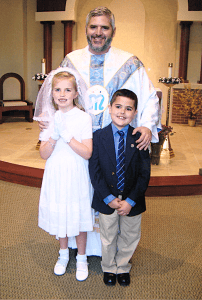
Obispo Emilio fue bautizado a los 10 días, el día de Navidad, en la iglesia St. Patrick, en Pueblo. Sus padres, Emilio Rodolfo Biosca y María del Carmen Agüero, eran inmigrantes recientes de Cuba que huyeron del país comunista en busca de libertad y una vida mejor para su familia.

El obispo puede rastrear la historia de su familia en Cuba por muchas generaciones: aproximadamente 500 años por parte de su madre y al menos 150 por parte de su padre. Los recuentos que sus padres compartieron sobre su larga historia familiar y la difícil decisión de huir del país comunista, dejando todo atrás, tuvieron un impacto duradero.

Beatrice Pennefather, hermana de Obispo Emilio, contó que su padre compartía historias de la vida familiar en Cuba para enseñarles a los hijos la importancia de conocer sus raíces, mientras aprendían también la lección de lo que se puede perder y de cómo apoyarse en la fe para superar tiempos difíciles.

Cuando estalló la revolución comunista el 1 de enero de 1959, las familias quedaron divididas. Emilio Rodolfo Biosca y María del Carmen Agüero se casaron el 29 de julio de 1961, meses después de la fallida invasión de Bahía de Cochinos. Varios familiares participaron en la invasión y fueron capturados y encarcelados, mientras que el entusiasmo de la revolución comunista absorbió a otros.

Para 1964, las iglesias habían sido cerradas, muchos sacerdotes deportados, las escuelas y hospitales católicos confiscados. Sus padres se dieron cuenta de cuán grave era la situación en Cuba, tanto a nivel político como religioso. Al ver que no cambiaría, los Biosca, ya con dos hijas, y sus familias extendidas decidieron marcharse.

Las historias de sus padres sobre la vida en Cuba, antes y después de la revolución, y luego su huida a los Estados Unidos, tuvieron un profundo impacto en el obispo.

“La experiencia de su inmigración, su llegada a los Estados Unidos por la libertad religiosa y por razones económicas en ese momento, ciertamente marcaron mi vida y mi vocación”, reflexionó Obispo Emilio. “Tuvieron que dejar todo atrás. Por la libertad, cambiaron todos sus bienes materiales y la historia que había sido parte de la familia durante muchas generaciones. Recuerdo que mi papá nos dijo que, una vez comprendieron el alcance del poder comunista sobre el país, no lo pensaron dos veces y tomaron una decisión firme”.

Cuando Obispo Emilio fue a Cuba como sacerdote misionero de 2007 a 2019, trató de reavivar los lazos familiares que se habían roto como resultado de la revolución comunista.

“Todas estas personas están dispersas, pero él es el hilo que vino a unir a nuestra familia, extendiéndola de una manera que no habría sucedido si él no hubiera estado allá”, aseguró Pennefather. “Su enfoque fue aprender la historia familiar y redefinirnos. Somos familia. La familia significa algo”.

Vida en los Estados Unidos

Los Biosca llegaron a Colorado en 1964 con sus dos hijas, María y Ana Cristina, quien se encontraba gravemente enferma en ese momento. Su madre embarazada esperaba el nacimiento de Obispo Emilio. Tras el nacimiento, la familia continuó buscando ayuda para Ana Cristina, pero la niña falleció el 8 de diciembre de 1966. La familia se mudó a Kansas City, Missouri, donde su padre —quien era dentista en Cuba— trabajó y estudió, graduándose de la Facultad de Odontología de la Universidad de Missouri-Kansas City. Se mudaron cerca de familiares en Virginia, donde su padre abrió un consultorio.
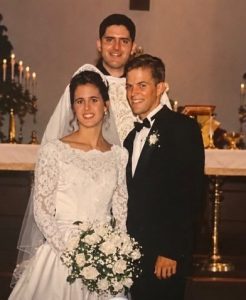
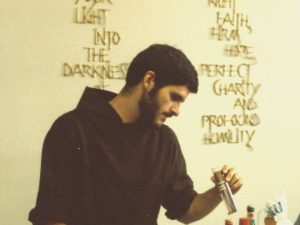
Obispo Emilio asistió a las escuelas católicas St. Anthony y St. Leo, y luego a la escuela secundaria Bishop O’Connell, todas en el norte de Virginia. Compartió que sus padres vivían “de manera simple e incluso austera. Nunca nos faltó nada, pero mis padres eran cuidadosos con sus gastos. La educación católica era una prioridad, así que todos fuimos a escuelas católicas, y esta decisión, para mí, fue formativa”. Cuatro nuevas hijas llegaron a la familia: Elena, nacida en 1968; Beatrice, nacida en 1969; Lisette, nacida en 1971, y quien ahora es la Hna. María José de Jesús, religiosa de las Clarisas Capuchinas; y Patricia, nacida en 1975.

Recuerda haber crecido en apartamentos pequeños, y que el automóvil familiar era de segunda mano, pero práctico. Con el paso del tiempo, la economía familiar mejoró. Eventualmente tomaron un préstamo modesto, y compraron una casa en 1974 para su numerosa familia.

“Mis padres eran tradicionales”, observó. “No creían en gastar lo que no tenían, y aún hoy no pueden entender cómo algunas personas acumulan deudas insuperables”.

Una fe y valores sólidos

Los padres de Obispo Emilio son profundamente fieles, pero no de una manera fanática o exagerada. Él describe su vida de fe como equilibrada, serena y comprometida.

Mientras aún vivía en Cuba, su padre se convirtió en miembro de la Agrupación Católica Universitaria (ACU), fundada en La Habana por el P. Felipe Rey de Castro, SJ, en 1931 para formar hombres en la fe.

“Se formaban en el modelo de Esto Vir, es decir, ‘Sé un hombre’, basado en 1 Reyes 2:2”, explicó el obispo. “En aquel tiempo en Cuba, eso significaba formación en la espiritualidad, el profesionalismo y el apostolado. Era importante establecer una espiritualidad masculina que incluyera el compromiso con la vida familiar, fidelidad en el matrimonio, excelencia en la ética laboral, ser honesto en el trabajo, hacer bien el trabajo, y ofrecer servicio a los pobres”.

Tras el ascenso del régimen comunista y sus políticas antirreligiosas en la década de 1960, la organización se exilió en los Estados Unidos, continuando su misión en Miami y otros lugares como Washington D.C. El grupo de hombres se reunía cada semana para confesarse y asistir a misa. También había presentaciones sobre la fe, en las que distintos miembros ofrecían puntos de discusión sobre la última encíclica papal o los acontecimientos importantes en la Iglesia.

“Cuando nos mudamos al norte de Virginia, papá iba a reuniones en D.C. Había retiros anuales de fin de semana para hombres y otros para mujeres, que duraban dos o tres días”, dijo Obispo Emilio. “El P. Amando Llorente, SJ, dirigió el grupo durante muchos años. Eran muy sensatos y comprometidos con la fe, con un fuerte sentido de compromiso con la Iglesia, fidelidad en el matrimonio, y dedicación a los hijos”.

El obispo observó que a veces “la gente dice que la fe o la familia es su prioridad, pero cuando la familia entra en conflicto con algún otro valor, pierde ante casi todo lo demás”.

Observó que hay ocasiones en que los padres caen en la idolatría de los deportes o las calificaciones.

“Sacrificar cenas o salidas juntos por algo menos importante, no ayuda a establecer la primacía de la fe o la familia”, enfatizó. “Mis padres eran muy ecuánimes en esas cosas. Las calificaciones eran importantes, pero no eran un ídolo. Más bien, el modelo para ellos era el trabajo arduo y la excelencia en lo que uno debía hacer en cualquier momento”.

Obispo Emilio estuvo muy involucrado en los deportes mientras crecía, particularmente en el fútbol, y era lo suficientemente bueno como para competir en equipos de viaje. Sin embargo, la familia tenía prioridad, incluso ante los partidos relevantes.

“A veces me perdía partidos importantes porque íbamos a las montañas con nuestros abuelos u otros miembros de la familia. Mis abuelos y mi familia eran primordiales”, aseguró. “Eso fue muy significativo”.

La dirección de sus padres sobre la importancia de la misa inculcó en sus hijos que “todas las lecturas y las homilías tenían significado. Tampoco les importaba quién celebraba la misa; creo que eso también tuvo influencia en mí. Querían recibir la Sagrada Comunión y escuchar la Palabra de Dios. Siempre encontraban algo digno de reflexión en la homilía del sacerdote”.

No puede recordar un solo domingo en el que la familia no asistiera a la misa. Incluso, al estar de vacaciones en Myrtle Beach, Carolina del Sur, o al acampar en las montañas Shenandoah de Virginia, lo primero que hacían sus padres al llegar era buscar la iglesia católica local para saber a qué hora era la misa.

“Íbamos de vacaciones, pero nos asegurábamos de asistir a la misa dominical”, afirmó.

Patricia Albisu, hermana menor de Obispo Emilio, dijo que las grandes vacaciones familiares eran “un ‘tiempo perdido’ en el mejor sentido, porque era cuando las conexiones crecían y hacías tiempo para los demás”.

Al ser el único varón entre muchas hermanas, Obispo Emilio era un adolescente típico que pasaba tiempo con amigos del vecindario y de sus equipos de fútbol. Siempre fue amable con todos, pero también protector de sus hermanas y atento a los sentimientos de los demás, recordó Pennefather.

Compartió que Obispo Emilio se fracturó un dedo del pie en su último año de secundaria y no pudo jugar fútbol durante dos meses. Entonces, se unió al equipo de ajedrez, donde rápidamente hizo amigos pero sin perder los que ya tenía del deporte.

“No le interesaba el estatus superficial”, dijo Pennefather. “Hacía lo que era correcto”.

Si veía que alguien importunaba a sus hermanas, le reprendía, pero la misma regla aplicaba a sus hermanas si hablaban mal de sus amistades, y les recordaba que “deben reconocer la dignidad de todos y que no eran mejores que nadie”.

Además, siempre compartía lo que tenía con sus hermanas. Pennefather recordó que cuando su hermano recibió como regalo un juego electrónico de fútbol, él les enseñó cómo jugar. También jugaba con ellas en un campo cercano, y era el quarterback, o mariscal de campo, mientras ellas atrapaban los pases. Siempre fue muy positivo y les motivaba, atraparan o no el balón.

Cuando ingresó a la vida religiosa con los franciscanos capuchinos, nadie en la familia se sorprendió.

“Fue algo muy natural”, aseguró Pennefather, pues de niño, Obispo Emilio imitaba la celebración de la misa para los otros niños de la familia.

El anuncio a su familia

Cuando fue informado sobre su nombramiento como obispo en Florida, Obispo Emilio esperó hasta pocos días antes de que se hiciera público para decírselo a sus padres y hermanas. Organizó una llamada por FaceTime para que todos se enteraran al mismo tiempo.

“Nos dijo: ‘Me han pedido ser Obispo de Venice, Florida’, y hubo silencio. Estábamos atónitos”, recordó Pennefather.

La noticia llegó de manera inesperada porque él recientemente había sido elegido viceprovincial de los capuchinos en mayo de 2025, y la familia pensaba que permanecería en su destino en Washington por más tiempo, o sería elevado a un puesto más alto dentro de la orden religiosa, aunque él había hablado de regresar a Cuba.

Elena Doyle, otra de las hermanas de Obispo Emilio, compartió que la noticia le tomó por sorpresa en un primer momento, aunque añadió que la familia siempre ha sabido que él tiene lo que se necesita para ser obispo.

“No me sorprende en el fondo”, aseguró Doyle, “pero sí me llena de alegría por el pueblo de Venice, porque sé el hombre que es: lleno de pureza y humildad”.

Pennefather describió a su hermano como alguien que siempre vivió su vocación de una manera hermosa, al unir y dar esperanza a las personas.

La familia de Obispo Emilio no esperaba que regresara de su misión en Cuba, por lo que nunca se sabía cuándo lo verían o si podría estar presente en momentos familiares importantes, como aniversarios, cumpleaños y otros. Al haber sido misionero durante tantos años, Obispo Emilio no pudo participar en muchos momentos familiares clave, incluidos los nacimientos de muchos de sus 24 sobrinos y sobrinas, así como algunos de los 12 sobrinos nietos, y dos más en camino.

Ser asignado como párroco en Washington D.C. en 2019, tan cerca de la familia, fue inesperado y providencial, explicó Doyle, porque en aquel momento María, la mayor de los hermanos, había sido diagnosticada con una enfermedad grave y él guió a todos durante ese tiempo difícil. María falleció en 2022.

Doyle contó que al estar cerca de la familia, Obispo Emilio tomaba tiempo en sus días libres para pasar la noche en la casa de sus padres y celebrar la misa. Durante los últimos siete años, “llegó a conocer a sus sobrinos y sobrinas, así que todos nos acostumbramos a eso”, compartió.

Albisu dijo que la noticia de que su hermano se establecería en Florida impactó profundamente a sus hijos. Su hija menor estaba triste porque ya no podría visitarlo y compartir ratos de juego con él, pero Albisu le explicó que “sigue siendo tu tío, solo que ahora tiene nuevas responsabilidades”.

“Por los dones que Dios nos concedió estos últimos siete años, se hace un poco más fácil confiarlo al pueblo de Venice”, sostuvo Pennefather. “Ya lo habíamos confiado al pueblo de Washington, y allí hizo cosas maravillosas. No poder verlo tanto será difícil, pero eso es solo egoísmo nuestro. Ahora lo entregamos al pueblo de Venice”.

Franciscan Capuchin Provincial shares thoughts on new Venice bishop

Father Robert Marva O.F.M. Cap., Provincial Minister of the St. Augustine Province in Pittsburgh, Pennsylvania, has known Bishop-elect Emilio Biosca Agüero, O.F.M. Cap., for 40 years.

Only two years apart in the minor seminary, Borromeo College of Ohio, in Wickliffe, Father Marva shared some insight into his brother Franciscan and dear friend.

While the announcement of Bishop Emilio’s appointment as a Bishop came as a surprise to many, Father Marva said in a statement to the Province, “it is for others a confirmation of the pastoral zeal, commitment to the poor, and care for the stranger and alien that have marked Bishop-elect Biosca’s ministry as pastor to the people of the Shrine of the Sacred Heart in Washington, D.C., as well as to the friars and people of Cuba and Papua New Guinea where he also labored for a number of years.”

Father Marva and the bishop-elect have worked closely in recent years, with Bishop Emilio elected as Third Councilor of the Capuchin Franciscans in 2022, and then as Provincial Vicar, First Councilor in 2025. This leadership role included visitations to canonical chapters.

“Bishop-elect Emilio brings to the service of the Church of Venice thoughtful wisdom, and a faith filled disposition marked by prayer and fidelity to the Rule of St. Francis and the Constitutions of our family of Capuchin Franciscans,” Father Marva said.

On a personal note, Father Marva said Bishop Emilio was a gifted athlete (soccer and basketball), but a more serious student while in seminary. He also has a dry sense of humor and a humility paired with a self-confidence that allows him to laugh at himself.

“He also has a strong sense of calm and thoughtfulness in any situation which has allowed him to succeed in his work wherever he has been assigned,” Father Marva said. “This is seen in his pastoral service, where he can appreciate both the humanity and seriousness of situations while having the ability to sort through any challenge.”

While the promotion of Bishop Emilio to the Diocese of Venice leaves a gap in the Capuchin order in leadership and at the parish in D.C., Father Marva said he knows his friend will always be a Capuchin in his heart.

“He still serves the Church and the Capuchins, but in a different way,” Father Marva said. “He is following the call of God and the Holy Father to his next posting.”

What is a Capuchin Franciscan???

By Father John Petrikovic, OFM Cap., Special to the Florida Catholic

The years that mark the beginning of the Capuchin Franciscan Order echo the calls to reform within the Church of the 1500s. It was a call to get back to “roots,” and after 300 years of Franciscan living (just like years of the Church’s life), the fervor of the “good old days” was behind them. For many who study history, it’s the age of the Protestant reformation, but for those with a wider perspective, it was the age that would culminate not only in the Lutheran and Calvinist “reforms,” but also within the Catholic Church as well, producing Religious Orders like the Capuchins and Jesuits (among many others).

Our Capuchin founders felt that the value of mental prayer and meditation was not to be lost. The early Capuchins wanted to re-invigorate the values of the Franciscan Order, but many felt the need to split from their current rule of Franciscan superiors and to govern themselves, living in smaller friaries (“convents” in European lingo) and emphasizing the poverty, prayer and brotherhood of the days of Saint Francis.

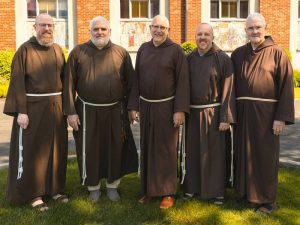
The Capuchin Franciscan habit symbolized the Order’s commitment to poverty, simplicity, and mental prayer. It consists of a simple brown robe, a white knotted cord worn around the waist, and—most notably—a long, pointed hood (cappuccio) that gives the order its name from the Italian [and gave rise to the cappuccino coffee because of its light brown coloring!]. The Habit is a plain, dark-brown tunic modeled after the common clothing worn by poor peasants in the time of Saint Francis. The Hood is elongated in imitation of the contemplative Orders that had inspired the early founders of the Franciscan reform like the Camaldolese monks. That not only helped to protect from cold weather; it also became a way to raise the hood above the head in prayer to avoid distractions in prayer! Historically, the Capuchin habit also mandated the wearing of a beard (not allowing the presence of razors for shaving in the friaries!), as a way to cast off Renaissance worldliness and return to a simple, austere lifestyle. That requirement to wear a beard changed for the Order in the most recent decades for obvious reasons as we’ll see.

The Capuchins will celebrate the 500th year of their existence in 2028 (1528-2028). These recent decades have seen a new age of reform and renewal, too. The Second Vatican Council (1962-1965) verbalized another clarion call to return to roots with a dual call to read the “signs of the times.” Like other Orders, Capuchin Franciscans responded in that age of renewal. The 20th century was, in fact, the time of the globalization of our Church community. The “Ecumenical Council” of Vatican II represented far more countries than just Europe. The Capuchin Order, through its missionary efforts along with other communities, expanded the Church’s life beyond Europe to include the “New World” of Catholic presence in the Americas, in Africa and in Asia (and many of those new Capuchins, by the way, could never have grown a beard!). Getting back to “roots” and reading “the signs of the times” meant that the core values of poverty, simplicity and prayer had to be clear in ways that speak to the men and women of the day.

The Capuchins now number over 10,000 brothers throughout the world. Many are priests, but all are brothers to one another. It comes from Francis’ original naming of the Order: The Order of Friars Minor (OFM: in more contemporary English, The Order of Lesser Brothers). Like our founder, we are all brothers without distinction within our family, whether one be priest (or bishop) or not. Each are called to take the “lower place” to one another (minor) and to shy away from ambition and honors. Our model, like St. Francis of Assisi, is the Lord Jesus who, as St. Paul writes, “did not deem equality with God as something to be grasped, but rather emptied himself, taking the form of a slave, being born in human likeness (Philippians 2)”.

It’s not an “ordinary” occurrence for Capuchins to be bishops, but it has been even more common after the Second Vatican Council. Despite attempts to “take the lower place” as lesser brothers, the Church has called on our community to lead and guide the Catholic community when our presence was needed. In many ways, the “loss” of a Capuchin brother to leadership in our Church community means that a friar is now committed full-time to serve the needs of the local Church. Though their energies and focus have changed, they remain our brothers. At the same time, the role of a bishop presents the challenge to manage and administrate the “temporal” needs of the local community (financial and human resources) as well as its spiritual needs. They retain their Capuchin spirit, but their focus and energies change.

We’re proud of our brother Emilio, and we are honored by his being Bishop Emilio Biosca-Agüero. But we know that he will do what is best for the Diocese he serves – and that his values and ideals as a Capuchin will not be lost.

Father John Petrikovic, OFM Cap., is a member of the Capuchin Franciscan Friars Province of St. Augustine.


Bishop Frank J. Dewane’s Statement on the appointment of the new Shepherd for the Diocese

It is with gratitude to His Holiness Pope Leo XIV, that I announce in the Diocese of Venice in Florida, that Our Holy Father, following prayerful discernment is appointing a new Shepherd for the Diocese of Venice in Florida: Bishop-elect Emilio Biosca Agüero, OFM Cap., a priest ordained on May 21, 1994 for the Capuchin Franciscan Province of St. Augustine (Pittsburgh, Pennsylvania).  Having served in assignments for the Province, both overseas and within the United States, Bishop-elect has for the past seven years been the Pastor at the Shrine of the Sacred Heart Parish in Washington, D.C and has held numerous leadership positions within his Religious Community. Son of an immigrant family with 7 children, Bishop-elect is enthusiastic, with a strong pastoral spirit and particular devotion to the Virgin Mary and to serving the People of God.  With all of you, I welcome him to our Diocesan family, which will be greatly blessed by his ministry, and I very much look forward to getting to know him as in just a few days he has shown himself to be a deeply spiritual and exceptional priest.

Our new Bishop is coming to a Diocese that is growing at a rapid pace with families and individuals that evidence a vibrant faith and diverse backgrounds.  It has been a great joy for me to have ministered here for the past twenty years.  I am pleased and very proud of the Catholic Community of the Diocese, who they are and who they are becoming, by their witness to Christ.  This has become possible by the great pastoral care and service that the priests, both Diocesan and Religious, have provided. 

In accord with canon law, I submitted my resignation to the Pope over a year ago on my seventy-fifth birthday, and, with the appointment of Bishop-elect Agüero, it is now formally accepted.  As I retire, it is my plan to remain in the Diocese of Venice, which has become my home as it has for so many others from the Midwest.  I can assure Bishop Emilio that he will not see occasional snowfall, just an occasional hurricane or two.  
To the Priests, Deacons, and joy-filled laity, thank you all for being a wonderful family of faith, hope, and love.  I look forward to my continued home here assisting the new Bishop pastorally, in any manner I can.  I also look forward to more time for prayer, study and travel.

As of today, I am officially the Bishop Emeritus of the Diocese of Venice in Florida and have been appointed its Apostolic Administrator until the day of Bishop-elect Agüero’s ordination which will take place on July 11, 2026.

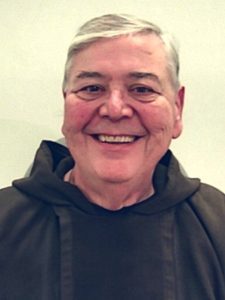
It is my great privilege to present to you Bishop-elect Emilio Biosca Agüero.

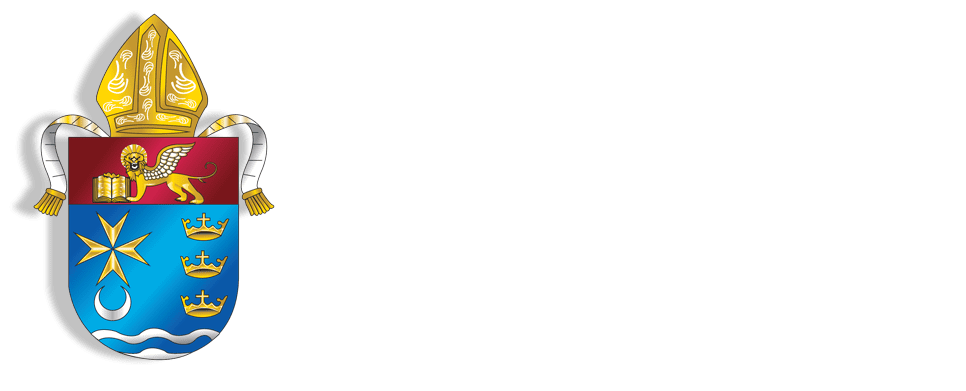
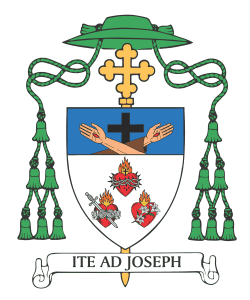
Coat of arms of Bishop Emilio Biosca Agüero, O.F.M. Cap.

Blazon:          Per fess Azure and Argent; in chief the arms of the Franciscan Order: upon a Latin cross Sable two arms in saltire, the one to dexter uncovered and the one to sinister habited on the Order of Saint Francis, both hands displaying the Stigmata, all Proper; in base the Sacred Heart of Jesus between and above on the dexter side the Immaculate Heart of Mary and to the sinister the Chaste Heart of Saint Joseph, one and two, all Proper.

Motto:            ite ad joseph

Explanation

In the upper portion of the shield, the two crossed arms before a cross represent the bare arm of Jesus Christ crucified, the hand bearing the wound of crucifixion, reminding believers of Christ’s sacrificial love and redemption, and the arm of Saint Francis of Assisi clothed in simplicity, emphasizing poverty, humility, and discipleship. Saint Francis also bears the stigmata, the wounds of Christ, which he received on Mount La Verna in 1224. The cross behind the arms signifies that both Christ and Francis are united through the mystery of the Cross. It reflects the Franciscan desire to follow Christ completely, especially in humility, suffering, and love.

In the lower portion of the shield, the silver background represents transparency, truth, and justice. The Sacred Heart of Jesus symbolizes Christ’s divine love for humanity, self-sacrificing, merciful, and redemptive. It is usually shown aflame, in the passion, pierced, and crowned with thorns. The Immaculate Heart of Mary represents her pure and immaculate love, her obedience to God, and unity with her son’s mission. It is usually depicted pierced by a sword, recalling her sorrow and joy. The Chaste Heart of Saint Joseph signifies the faithful, protective, and self-giving love, marked by chastity, humility, and loving obedience to God’s will. The three hearts together symbolize that the human person is revealed through love and is made for self-gift and communion. It expresses that human love, marriage, and the family is a communion of persons, central to the new evangelization, that truth, goodness, and beauty are united. The red hearts also recall the first Franciscan Missionary Martyrs in 1220. When Saint Francis of Assisi heard of their deaths, he declared, “Now I can truly say that I have five Friars Minor,” recognizing in them the authentic spirit of humility, sacrifice, and evangelical love that he desired for his brothers.

The Bishop’s motto, ITE AD JOSEPH, is from Genesis 41: 55, “Ite ad Ioseph; et quidquid ipse vobis dixerit, facite.” (Go to Joseph; and whatever he says to you, do.” “Vayan a José y hagan lo que él les diga.”)

The coat of arms was devised by Bishop Biosca with advice from Very Rev. George E. Stuart and Georgina Wilkinson.


Official biography of Bishop Emilio Biosca Agüero, O.F.M. Cap.

See below for Spanish

Third Bishop of the Diocese of Venice in Florida

Bishop Emilio Biosca Agüero, O.F.M. Cap., was born December 15, 1964, in Colorado Springs, Colorado, to Emilio Rodolfo Biosca and Maria del Carmen Agüero who were recent immigrants from Cuba. The third of seven children, his two older sisters were born in Cuba. He was baptized on Dec. 25, at St. Patrick’s Church in Pueblo, Colorado.

The family first resided in Pueblo, Colorado, then Kansas City, Missouri, where his father, already a practicing dentist in Cuba, worked and studied, graduating from the University of Missouri-Kansas City (UMKC) School of Dentistry. The family relocated near relatives in Virginia, where his father opened a practice. Bishop Emilio attended St. Anthony and St. Leo Catholic schools, and then Bishop O’Connell High School.

Bishop Emilio briefly studied at George Mason University then entered the Capuchin Franciscans in 1984 transferring to Borromeo College of Ohio in Wickliffe and earning a B.A. in philosophy in 1987. He made first profession of vows in Pittsburgh on July 16, 1988. He continued Capuchin Formation and theological studies at Oblate College in Washington D.C., making solemn vows on August 17, 1991, and earning an M.A. and M.Div. in theology.  He was ordained to the diaconate on May 1, 1993, and served at St. John the Evangelist in Center City Philadelphia.

On May 21, 1994, at the Shrine of the Sacred Heart in Washington, he was ordained to the priesthood by then-Bishop Sean O’Malley, O.F.M. Cap., volunteered and was sent to serve in the Capuchin mission in Papua New Guinea. From 1994 to 2004 he served predominantly the Kewa and Wiri speaking peoples in the Kagua, Ialibu and Pangia areas of the Southern Highlands and became fluent in Melanesian Tok Pisin. During this period, he worked closely with lay leaders and catechists. From 2002-2004 he served as the Director of Novices for the Capuchin Novitiate in Pangia.

In preparation for the mission in Cuba, Bishop Emilio returned to the United States in 2005 and studied at the Pontifical John Paul II Institute for Studies on Marriage and the Family at Catholic University in Washington, earning his STL degree (Licentiate in Sacred Theology), Magna Cum Laude.

In 2007, Bishop Emilio entered Cuba and served there for 12 years. He spent his first year in Havana, then three years as Pastor of La Pastora Parish in Santa Clara, and the last eight years on the eastern side of the country in the Diocese of Bayamo-Manzanillo, where he was Pastor of La Purisima Concepcion de Manzanillo.

Bishop Emilio was appointed Pastor of the Shrine of the Sacred Heart in Washington, DC on March 1, 2019. The Shrine of the Sacred Heart has 5,000 families and is culturally diverse, offering the Holy Sacrifice of the Mass in five languages each weekend (English, Spanish, Haitian Creole, Vietnamese, and Portuguese).

For the Capuchin Franciscans of the Province of St. Augustine, Bishop Emilio was elected as Third Councilor in 2022, and then as Provincial Vicar, First Councilor in 2025. He is fluent in English, Spanish and Melanesian Tok Pisin.


El Obispo Emilio Biosca Agüero, O.F.M. Cap., nació el 15 de diciembre de 1964 en Colorado Springs, Colorado, hijo de Emilio Rodolfo Biosca y María del Carmen Agüero, quienes habían emigrado recientemente de Cuba. Es el tercero de siete hermanos; sus dos hermanas mayores nacieron en Cuba. Fue bautizado el 25 de diciembre en la iglesia de San Patricio, en Pueblo, Colorado.

La familia residió inicialmente en Pueblo, Colorado, y posteriormente en Kansas City, Misuri, donde su padre, quien ya ejercía la odontología en Cuba, trabajó y continuó sus estudios, graduándose en la Facultad de Odontología de la Universidad de Misuri–Kansas City (UMKC). Más tarde, la familia se trasladó a Virginia, cerca de otros familiares, donde su padre abrió su consultorio dental. El Obispo Emilio cursó sus estudios en las escuelas católicas San Antonio y San León, y posteriormente en la Escuela Secundaria Bishop O’Connell.

El Obispo Emilio estudió brevemente en la Universidad George Mason antes de ingresar a los Frailes Menores Capuchinos en 1984. Posteriormente se trasladó al Borromeo College de Ohio, en Wickliffe, donde obtuvo el grado de Licenciado en Filosofía (B.A.) en 1987. Hizo su primera profesión de votos en Pittsburgh el 16 de julio de 1988. Continuó su formación capuchina y sus estudios teológicos en el Oblate College de Washington, D.C.  Hizo su profesión solemne el 17 de agosto de 1991 y obtuvo la Maestría en Teología y Maestría en Divinidad.  Fue ordenado diácono el 1 de mayo de 1993 y desempeñó su ministerio en la parroquia San Juan Evangelista, en Center City, Filadelfia.

El 21 de mayo de 1994, en el Santuario del Sagrado Corazón de Washington, fue ordenado sacerdote por el entonces obispo Sean O’Malley, O.F.M. Cap.  Se ofreció como voluntario para la misión capuchina en Papúa Nueva Guinea, a donde fue enviado. Entre 1994 y 2004 sirvió principalmente a los pueblos de habla kewa y wiri en las regiones de Kagua, Ialibu y Pangia, en la provincia de Southern Highlands, y llegó a dominar con fluidez el tok pisin melanesio. Durante ese período trabajó estrechamente con líderes laicos y catequistas. De 2002 a 2004 fue Director de Novicios del Noviciado Capuchino de Pangia.

Como preparación para la misión en Cuba, el Obispo Emilio regresó a los Estados Unidos en 2005 y realizó estudios en el Instituto Pontificio Juan Pablo II para Estudios sobre el Matrimonio y la Familia de la Universidad Católica de América, en Washington, donde obtuvo la Licenciatura en Sagrada Teología (S.T.L.) con la calificación de Magna Cum Laude.

En 2007, el Obispo Emilio inició su ministerio en Cuba, donde sirvió durante doce años. Pasó su primer año en La Habana; luego fue durante tres años párroco de la parroquia La Pastora, en Santa Clara; y los últimos ocho años ejerció su ministerio en el oriente del país, en la Diócesis de Bayamo-Manzanillo, como párroco de la parroquia La Purísima Concepción de Manzanillo.

El 1 de marzo de 2019, el Obispo Emilio fue nombrado párroco del Santuario del Sagrado Corazón, en Washington, D.C. El Santuario del Sagrado Corazón cuenta con aproximadamente 5,000 familias y se caracteriza por su diversidad cultural, celebrando cada fin de semana el Santo Sacrificio de la Misa en cinco idiomas: inglés, español, criollo haitiano, vietnamita y portugués.

En la Provincia de San Agustín de los Frailes Menores Capuchinos, el Obispo Emilio fue elegido Tercer Consejero Provincial en 2022 y, posteriormente, Vicario Provincial y Primer Consejero en 2025. Habla con fluidez inglés, español y tok pisin melanesio.

Newly appointed Bishop returns to Diocese

Ordination/installation key information

The Ordination and Installation Mass of Bishop Emilio Biosca Agüero, O.F.M. Cap., will be held at 2 p.m., Saturday, July 11, at St. John XXIII Parish in Fort Myers. Out of necessity, due to high demand and capacity constraints, this event is by Invitation Only. Parishioners are encouraged to join us in prayer, via livestream. Both the Ordination Mass on July 11 and the Solemn Vespers at 5 p.m., Friday, July 10, will be livestreamed via the Diocesan website at https://dioceseofvenice.org/livestream/, or on Facebook at https://www.facebook.com/DioceseofVenice. Join us in prayer as we welcome Bishop Emilio to the Diocese of Venice!

***********

Bishop-elect Emilio Biosca Agüero, O.F.M. Cap., returned to the Diocese of Venice for the week of June 15-20, 2026, ahead of his July 11 Apostolic Ordination and Installation as the third Bishop of the Diocese.

During his time in Venice, the Bishop-elect became better acquainted with the Diocese through a series of meetings with Bishop Frank J. Dewane, Diocesan Chancellor Volodymyr Smeryk, and many other key Diocesan leaders. The Bishop-elect was only in the Diocese of Venice for a few days when his appointment was announced on May 13.

A key aspect of the new Bishop’s visit was the opportunity to have meetings with priests in the four Deaneries (regions) of the Diocese. These meetings allowed many Diocesan priests to meet Bishop Biosca in an informal setting where both sides learned more about each other. Additional meetings took place with religious men and women, Deacons, as well as a visit to Guadalupe Social Services of Catholic Charities in Immokalee.

Bishop Biosca is making an effort to learn about how the Diocese functions. The new Bishop is especially interested in learning the pastoral needs of the different Parishes as well as what pressing issues will demand his attention as soon as he takes over as shepherd of the Diocese in July.

When not on the road meeting priests, the new Bishop was able to begin to move into his residence in Venice. He also stood for his formal portrait and took part in interviews, in both English and Spanish, in anticipation of his coming ordination, in an effort to help the faithful of the Diocese get to know him.

Welcome, Bishop Emilio!

News Briefs for the week of June 19, 2026

Totus Tuus summer entering fourth week

The Diocese of Venice Totus Tuus summer program continues to inspire young people to grow in faith. The week-long program is visiting different Parishes each week and offering day camp for students entering grades 1 – 6, as well as evening camp for middle school and high school students entering grades 7 – 12. Three missionary teams are leading the campers. In the first two weeks, the program has taken place at nine Parishes, with the most recent at St. Agnes Parish, Naples, San Pedro Parish, North Port, St. Michael Parish, Wauchula, and St. Leo the Great Parish, Bonita Springs. Upcoming host Parishes include the following: St. Katharine Drexel Parish, Cape Coral, and Sacred Heart Parish, Bradenton (June 21-26); St. James Parish, Lake Placid, St. Catherine Parish, Sebring, Our Lady of Grace Parish, Avon Park, and Our Lady Queen of Heaven Parish, LaBelle (July 5-10); St. Joseph Parish, Bradenton, and Our Lady of Light Parish (Day Session)/ St. John XXIII Parish, Fort Myers (Evening Session) (July 12-17); Our Lady of the Angels Parish, Lakewood Ranch, and St. Jude Parish, Sarasota (July 19-24). Youth are welcome to attend any of the Totus Tuus camps, but registration is requested ahead of time. To register, please contact the hosting Parish directly. Parish contact information can be found at https://dioceseofvenice.org/find-a-parish/. For more information, contact Andres Prias at prias@dioceseovenice.org, or 941-441-1122.

Teen summer camp in Wauchula brings adventure

Teens from St. Michael Parish in Wauchula were offered many fun and exciting adventures during a “Chasing sunsets and memories at summer camp” the week of June 8-12, 2026. The week began with visits to the Cathedral of St. Jude the Apostle in St. Petersburg as well as the Shrine of St. Michael the Archangel and the St. Nicholas Greek Orthodox Cathedral, both in Tarpon Springs. The adventure continued with bowling and art, then a day of games and mini-golf. On Tuesday, the teens continued the adventure and fun with Bowling and Art. Father John Belmonte, SJ, Diocese of Venice Superintendent of Catholic Education, join the group for a visit to the Ringling Museum in Sarasota and then a visit to the beach. The teens were accompanied by the Servant Sisters of the Lord and the Virgin of Matra.

Unlocking the Mystery of the Bible series

Have you ever wanted to read the Bible but didn’t know where to start? St. Agnes Parish, 7775 Vanderbilt Beach Road, Naples, is hosting an “Unlocking the Mystery of the Bible” series, 6:30 p.m., Wednesdays, from June 24 to Aug. 12, 2026. Each evening will include short and engaging videos, small group discussions, great conversation and a delicious meal. Free childcare will be provided along with dinner. No prior Bible knowledge needed – just come as you are. For more information, please contact Robert Massey at 239-592-1949 ext. 150, or robert@stagnesnaples.org.

Bradenton food pantry seeks food for children on summer vacation

The St. Joseph Food Pantry, 2704 33rd Ave. W., Bradenton, is seeking food for children on summer vacation through the end of July. Food needed includes but is not limited to: fruit jelly in plastic containers, cereal, granola/breakfast bars, protein bars, raisins, shelf staple milk boxes, mac & cheese, canned vegetables, canned meat, canned tuna, spam, etc. Drop off times at the St. Joseph Food Pantry are from 9 a.m. to 11 a.m., and bins are also available in the Parish office during regular daily hours. For more information, please call 941-756-3732.

Summer educational series in Naples

St. William Parish, 750 Seagate Drive, Naples, is hosting a Summer Educational Series beginning at 1 p.m., June 24, 2026, in the Church Hall. The theme for June is “What You Should Know About Alzheimer’s Disease and Related Dementias,” presented by Mark Beland, Co-Chair of the Collier County Dementia Care and Cure Initiative and Community Liaison of the Baker Senior Center. Topics to be covered include: gaining a better understanding of Alzheimer’s disease and related dementias; increasing awareness of behavioral symptoms; equip others to communicate effectively with people with dementia; discover local resources available to assist those with dementia, their families, and caregivers; and learn about the risk factors regarding dementia and how to manage them. This event is open to all, and free to attend, and no RSVP is required. For more information, please call 239-330-2267.

Retreat Center open house June 27

Our Lady of Perpetual Help Retreat Center in Venice is inviting the faithful to join them for a day of prayer, rest, renewal, and fellowship for an Open House, 10 a.m. – 2 p.m., June 27, 2026, the Feast of Our Lady of Perpetual Help. Come spend time exploring the peaceful grounds, touring the facilities, meeting the team, and learning more about the retreats and programs offered at the Center. Whether you have visited many times or have never been before, the OLPH team would love to welcome you. OLPH is located at 3989 S. Moon Dr., in Venice. Please RSVP by June 20, by calling 941-486-0233.

Independence Day bike and golf cart parade to be held in Ave Maria

The Knights of Columbus Assembly 3862 of Ave Maria Parish in Ave Maria is hosting its 10th annual “God Bless America: Independence Day Bike and Golf Cart Parade for our Nation’s 250th Birthday.” The opening ceremony will take place in the Piazza in front of Ave Maria Parish church at 10 a.m. (following 9 a.m. Mass), with the parade, led by fire trucks, immediately following. All are welcome to attend and encouraged to decorate their bicycles, tricycles, golf carts, skateboards, and strollers. The route is approximately 2 miles long, but a shorter route, around the church, is available for younger riders. Light refreshments, including birthday cake for the Nation, will be available at the conclusion of the parade.

The Year of St. Francis

Bishop Frank J. Dewane has designated St. Francis of Assisi Parish in Grove City to serve as a pilgrimage destination for the Diocese of Venice in the extraordinary Jubilee Year of St. Francis, honoring St. Francis of Assisi on the 800th anniversary of his death. All are encouraged to make a pilgrimage to the Parish during this Jubilee Year for a unique experience of encounter, prayer and renewal. The Church and its Poor Clare Adoration Chapel are open to welcome pilgrims every Tuesday and Thursday from 9 a.m. to 4 p.m., and at other times by arrangement. For details, please visit the St. Francis of Assisi Parish website at https://www.sfoachurch.com/jubilee-2025.

Donations needed for Our Mother’s House

Our Mother’s House, a transitional housing program for homeless mom’s with young children operated by Catholic Charities in Venice, is making an appeal for donated cleaning supplies and other items. To learn more about the need, and how to drop off supplies, please call 941-485-6264, or email ckane@ccdov.org, or omh@ccdov.org.

Mental Health Counseling Services

Catholic Charities, Diocese of Venice is offering Mental Health Counseling, and Tele-Health Counseling, for adults and children provided by licensed mental health therapists. If you or someone you know is feeling stressed, anxious, depressed, helpless, or overwhelmed, Catholic Charities can help. For more information, please call 239-455-2655 or visit Catholic Charities online

Prison Ministry volunteers needed throughout Diocese

Join the team of Diocesan volunteers who enter county jails and state prisons within the 10-county Diocese of Venice for pastoral outreach, to distribute the Eucharist and facilitate programs. Priests, Deacons, and lay volunteers are encouraged to assist in this ministry. Volunteers will first participate in an orientation program before entering the facility and will shadow experienced volunteers until they feel comfortable. Times and days vary by facility. Please contact Joe Mallof at 224-217-7139 or Bob Hiniker 863-558-0407 to learn where you can fit into this joyful opportunity.

Retreat Center seeks volunteers

Our Lady of Perpetual Help Retreat Center in Venice needs your help; they are looking for volunteers. Help provide a peaceful, welcoming atmosphere for those who come to OLPH seeking transformation in Christ. Areas of need include reception, gardening, dishwashing, and serving meals. Contact the office to sign up at 941-486-0233 or visit www.olph-retreat.org/new-volunteer.

Free Rosary Repair Service

Send your broken rosaries in a padded envelope to Betty and Dick Holden, Free Rosary Repair Service, 7930 Estero Blvd., Unit 502, Fort Myers Beach, FL 33931. Rosaries will be repaired and returned within the week of receipt. Donations of old rosaries are also accepted, which will be repaired and sent to missions. Include a note indicating repair or donation. For more details, please call 239-463-3993, 860-595-6370 or holdenbnd@gmail.com.

Private retreats available

The fall schedule of private retreats at Our Lady of Perpetual Help Retreat Center in Venice is posted and has openings for Desert Days, 3, 5, and 7-night individual (directed) retreats. Group retreats are also available: To learn more or to register for a group or private retreat, please visit our website:  http://www.olph-retreat.org/individual-retreat-overview.

News Briefs for the week of May 29, 2026

Parish group participates in opening of National Eucharistic Pilgrimage

Pilgrims from St. Michael Parish in Wauchula traveled on May 24, 2026, to St. Augustine to join the beginning of the National Eucharistic Pilgrimage for the 250th Anniversary of the United States, and the signing of the Declaration of Independence. The pilgrims attended the opening Mass at the location of the First Mass on American soil in 1565. A group later reenacted the story of many priests and laypeople who died for their faith as Martyrs in the 1700s in La Florida. The day ended with a Eucharistic Procession, Jesus truly present in the Blessed Sacrament, through the streets of St. Augustine to the Cathedral. The Eucharistic Pilgrims will travel through all 13 colonies in the next six weeks, concluding in Philadelphia on 4th of July where the Declaration of Independence was signed 250 years ago in 1776.

Women religious from St. John Neumann reunite

The weekend of May 22-25, 2026, Salesian Sisters from across the country gathered in New Jersey to meet with Sister Ruth del Pilar Mora, FMA, a prominent leader and the General Councilor for the Missions of the Daughters of Mary, Help of Christians. Among those in attendance were several beloved St. John Neumann Catholic High School Alumni Sisters who faithfully served at St. John Neumann during the past 15 years. It was a joyful moment as they reunited for a special photo, reconnecting with one another and reflecting on the many lives they have touched through their ministry at Neumann. Thank you, Sisters, for your service, faith, and the love you continue to share with the Neumann family!

 Students take part in final Rosary Walk of school year

Seventh graders at St. Andrew Catholic School in Cape Coral took part in the final Rosary Walk of the school year on May 22, 2026. The Rosary Walk is situated next to the Parish church and offers the opportunity for students to pray in a peaceful setting. St. Andrew Catholic School is blessed to continue its mission of Building Faith, Hearts and Minds.

Donations needed for Our Mother’s House

Our Mother’s House, a transitional housing program for homeless mom’s with young children operated by Catholic Charities in Venice, is making an appeal for donated cleaning supplies and other items. To learn more about the need, and how to drop off supplies, please call 941-485-6264, or email ckane@ccdov.org, or omh@ccdov.org.

 Worldwide Marriage Encounter in Tampa June 5-7

Successful marriages don’t work on automatic pilot. Like a garden, these unions require constant attention: fertilizing, watering, and weeding. Join the Worldwide Marriage Encounter and discover God’s plan for joy, romance and passion in your marriage June 5-7, 2026, at the Franciscan Center in Tampa. This is the closest Worldwide Marriage Encounter to the Diocese of Venice in 2026.  Apply today at www.wwme.org or call 813-270-7832.

Rummage Sale in Punta Gorda June 6

The Sacred Heart Conference of the Society of St. Vincent de Paul is hosting its next Rummage Sale 8 a.m.-11 a.m., June 6, 2026, at 25200 Airport Road, Punta Gorda. Items available for purchase will include household items, furniture, linens, clothing, shoes, purses, jewelry, books and toys. Proceeds will go toward the Society’s continuing efforts to raise money to assist those in need in the community. For more information, please call 941-575-0767.

Adult Education Workshop in Naples June 10

Community Pregnancy Clinics will offer its monthly Created for Greatness Adult Education Series at 6:30 p.m., June 10, 2026, at the Naples Clinic, 661 Goodlette-Frank Road. The June topic is “Stories of Grace: An Evening of Adoption Testimonies.” Whether you are curious, considering adoption, or simply open-hearted, you are welcome to come hear the powerful true stories of families whose lives have been transformed through the gift of adoption. All are welcome! Please invite your friends and neighbors! RSVP at Created for Greatness – Stories of Grace: An Evening of Adoption Testimonies.

Inter-Parish “Life in the Spirit” seminar in Naples June 13

St. William Parish, 750 Seagate Drive, Naples, is hosting an Inter-Parish “Life in the Spirit” seminar, from 9 a.m.-2 p.m., June 13, 2026, in the Blessed Mother Center. The seminar will be facilitated by representatives from St. William, St. Agnes, St. Ann and St. John the Evangelist Parishes. The seminar will include talks, discussion groups, and a prayer service for a greater outpouring of the Holy Spirit in one’s personal life. There will be music, fellowship and a light lunch is included. RSVP by email and include your name and contact number to Susan Westly at susan@saintwilliam.org. Please include “Life in the Spirit Seminar” in the subject line. For additional details call 239-397-5757.

Theology on Tap June 18 in University Park

Calling all young adults! Join Catholic young people from across the Diocese for an evening of fellowship, faith and fun! Theology on Tap meets on the third Thursday of every month and is an opportunity for young adults in their 20’s and 30’s to explore faith topics in a relaxed social setting. The next gathering of Theology on Tap is 7 – 9 p.m., June 18, 2026, at Oak & Stone, 5405 University Parkway, University Park. The featured speaker is Chris Root, CEO of Catholic Charities, who will be leading a talk called, “Encountering Christ Through Service to Others.” There is no cost to attend, and no registration required. Bring a friend. For more information, contact Andres Prias at 941-441-1122 or prias@dioceseofvenice.org.

Catholic Classical education Conference June 19-21 in Fort Myers

The 3rd annual AMICE Conference hosted by Donahue Academy of Ave Maria will take place June 19-21, 2026, at Bishop Verot Catholic High School in Fort Myers. The conference offers an excellent opportunity for teachers, staff, administrators and parents to learn more about classical education. This year’s theme “The Great Conversation: The contributions of the Great Books in a Catholic Classical Education,” will be presented by outstanding educators who have years of experience in the Classical Educational model. Keynote speakers: Dr. Andrew Zwerneman, Dr. Dan Guernsey and Dr. Denise Donohue, will start the discussion followed by 12 additional breakout speakers who will add their insights to the three-day event. The AMICE conference aims to bring together all who are exploring or deepening their knowledge of Catholic classical education, particularly in the Diocese of Venice, to offer a bold response to the Church’s call for the renewal of Catholic education in the modern world. Please sign up in advance by going to the conference at https://giving.parishsoft.com/App/Form/bc65a052-b716-4a2d-a526-53ee20dae8a4, The cost is $129 per person, which includes meals. There is a group rate of $89 per person if your school or organization registers at least five participants. Please don’t hesitate to reach out to Donahue Academy’s Advancement Director Wil Hampton at wil.hampton@donahueacademy.org, or Assistant Director Jana Patterson at jana.patterson@donahueacademy.org.

Day of Reflection Marriage Retreat June 20

A Day of Reflection Marriage Retreat is scheduled for June 20, 2026, at St. John the Evangelist Parish in Naples. The retreat offers a specially prepared volunteer team who will share their experiences and information, enabling couples to be more aware of the privileges and responsibilities of marriage. Register at https://dioceseofvenice.regfox.com/2026-day-of-reflection-mp-retreat. Please contact Jim Gontis at gontis@dioceseofvenice.org, or 941-486-4754.

Retreat Center open house June 27

Our Lady of Perpetual Help Retreat Center in Venice is inviting the faithful to join them for a day of prayer, rest, renewal, and fellowship for an Open House, 10 a.m. – 2 p.m., June 27, 2026, the Feast of Our Lady of Perpetual Help. Come spend time exploring the peaceful grounds, touring the facilities, meeting the team, and learning more about the retreats and programs offered at the Center. Whether you have visited many times or have never been before, the OLPH team would love to welcome you. OLPH is located at 3989 S. Moon Dr., in Venice. Please RSVP by June 20, 2026, by calling 941-486-0233.

The Year of St. Francis

Bishop Frank J. Dewane has designated St. Francis of Assisi Parish in Grove City to serve as a pilgrimage destination for the Diocese of Venice in the extraordinary Jubilee Year of St. Francis, honoring St. Francis of Assisi on the 800th anniversary of his death. All are encouraged to make a pilgrimage to the Parish during this Jubilee Year for a unique experience of encounter, prayer and renewal. The Church and its Poor Clare Adoration Chapel are open to welcome pilgrims every Tuesday and Thursday from 9 a.m. to 4 p.m., and at other times by arrangement. For details, please visit the St. Francis of Assisi Parish website at https://www.sfoachurch.com/jubilee-2025.

BEWARE OF TEXT AND EMAIL SCAMS

It has been brought to the attention of the Diocese that parishioners have received text/email messages from people pretending to be clergy – including Bishop Frank J. Dewane – or Parish/school staff, requesting donations in the form of gift cards and/or wire transfers. These messages often come from text/emails that look similar to official Diocesan/Parish/school numbers or accounts and often greet the recipient by name and have the priest’s, Bishop’s, or staff member’s name in the “From” line and/or closing signature of the message. The fake message often claims that the priest/Bishop/staff member is in need of gift cards or money to aid a sick child, relative, or parishioner. THIS IS A SCAM!  It is Diocesan policy that neither the Bishop, nor priests or staff request donations in the form of gift cards, PayPal, MoneyGram, etc.  There is an established process in place on how parishioners can make donations and participate in the life of the Diocese, Parish, or school. If you receive such a text or email, please immediately contact the Diocesan/Parish/school directly!

Mental Health Counseling Services

Catholic Charities, Diocese of Venice is offering Mental Health Counseling, and Tele-Health Counseling, for adults and children provided by licensed mental health therapists. If you or someone you know is feeling stressed, anxious, depressed, helpless, or overwhelmed, Catholic Charities can help. For more information, please call 239-455-2655 or visit Catholic Charities online

Prison Ministry volunteers needed throughout Diocese

Join the team of Diocesan volunteers who enter county jails and state prisons within the 10-county Diocese of Venice for pastoral outreach, to distribute the Eucharist and facilitate programs. Priests, Deacons, and lay volunteers are encouraged to assist in this ministry. Volunteers will first participate in an orientation program before entering the facility and will shadow experienced volunteers until they feel comfortable. Times and days vary by facility. Please contact Joe Mallof at 224-217-7139 or Bob Hiniker 863-558-0407 to learn where you can fit into this joyful opportunity.

Retreat Center seeks volunteers

Our Lady of Perpetual Help Retreat Center in Venice needs your help; they are looking for volunteers. Help provide a peaceful, welcoming atmosphere for those who come to OLPH seeking transformation in Christ. Areas of need include reception, gardening, dishwashing, and serving meals. Contact the office to sign up at 941-486-0233 or visit www.olph-retreat.org/new-volunteer.

Free Rosary Repair Service

Send your broken rosaries in a padded envelope to Betty and Dick Holden, Free Rosary Repair Service, 7930 Estero Blvd., Unit 502, Fort Myers Beach, FL 33931. Rosaries will be repaired and returned within the week of receipt. Donations of old rosaries are also accepted, which will be repaired and sent to missions. Include a note indicating repair or donation. For more details, please call 239-463-3993, 860-595-6370 or holdenbnd@gmail.com.

Private retreats available

The fall schedule of private retreats at Our Lady of Perpetual Help Retreat Center in Venice is posted and has openings for Desert Days, 3, 5, and 7-night individual (directed) retreats. Group retreats are also available: To learn more or to register for a group or private retreat, please visit our website:  http://www.olph-retreat.org/individual-retreat-overview.